Held at the Gate
OpenAI built its most powerful model yet — then handed the keys to roughly twenty government-approved partners. The day the frontier stopped being public.
On the morning of June 26, 2026, OpenAI did something it had never done before. It announced its most capable model — and then told almost everyone they couldn't have it. GPT-5.6 Sol, the company's flagship, arrived not with a public launch but with a velvet rope: a "limited preview" available to roughly twenty organizations, each cleared after the company shared the model and its release plans with the United States government.
For a decade, the rhythm of frontier AI had been almost metronomic. A lab finishes a model, runs its safety evaluations, writes a system card, and ships — first to paying users, then to everyone with a browser. The product was the openness. What happened in June broke that rhythm. The gate that had always existed in theory — the idea that a government might one day decide a model was too dangerous to release — slammed shut for the first time in practice, and it did so quietly, over a long weekend, in a blog post.
This is the story of how a single product launch became a constitutional moment for the AI industry: who decides when a capability is too sharp for the open market, and what it means that, for the first time, the answer was Washington.
What Sol Can Do
The GPT-5.6 line came in three sizes, each named for a celestial body. Sol is the flagship — built for the hardest problems, complex coding, and security research. Terra is the balanced workhorse, aimed at high-volume business tasks like customer support, internal tools, and document analysis. Luna is the fast, cheap option for summarization, drafting, and routine automation. On paper, it reads like an ordinary product tier. The pricing certainly did: Sol at $5 per million input tokens and $30 per million output; Terra at $2.50 and $15; Luna at $1 and $6.
But OpenAI's own description of Sol contained the sentence that changed everything. Sol, the company wrote, is its most capable model yet for cybersecurity — shifting "the performance-efficiency frontier for long-horizon security tasks," including vulnerability research and exploitation. The company was careful to add that Sol was better at helping users fix vulnerabilities than carry out end-to-end attacks, and that it did not cross OpenAI's internal "critical" cybersecurity risk threshold. But the framing was unmistakable. A model good enough at finding software flaws to help defenders is, by definition, good enough to help attackers.
That capability is exactly what set off alarms. According to reporting, the models raised fears in Washington — and on Wall Street — over advanced cyber capabilities that some officials worried could enable "unprecedented safety risks." Sam Altman, OpenAI's chief executive, had reportedly previewed GPT-5.6 with the government for roughly a month before launch, including in meetings at the White House in early June. By the time the model was ready, the conversation had already moved from whether to ship to how narrowly.
The Request That Wasn't Quite an Order
The mechanics matter. The White House did not seize the model or invoke emergency powers. It asked — and OpenAI, having spent the prior weeks in dialogue with the administration, agreed to limit availability to a small set of government-approved partners while the two sides worked out a "repeatable process for future model releases" and a new executive-order framework on cybersecurity.
This sits directly downstream of the June 2 executive order, "Promoting Advanced Artificial Intelligence Innovation and Security," which asked companies building the most capable systems to give the federal government a look up to thirty days before release. GPT-5.6 is, in effect, that policy's first live test — the thirty-day window turned from a notification courtesy into a gate with a lock on it.
OpenAI's discomfort was visible in its own words. The company called the preview a "short-term step" and said it expected to make all three models generally available "in the coming weeks." Then came the sentence that will be quoted for years: "We don't believe this kind of government access process should become the long-term default. It keeps the best tools from users, developers, enterprises, cyber defenders, and global partners who need them." A company submitting to a restriction while publicly arguing against it is a company that knows it is setting a precedent it may not control.
"We don't believe this kind of government access process should become the long-term default."— OpenAI, statement on the GPT-5.6 limited preview
Why Cybersecurity Is the Tripwire
Of all the capabilities a frontier model might have, why did cyber become the one that triggered a gate? The answer is that cyber is the rare domain where a model's offensive and defensive uses are nearly identical, where the barrier to harm is low, and where the consequences scale fast. A model that can read a sprawling codebase, reason about its weaknesses over long horizons, and propose working exploits is a force multiplier for whoever holds it. For a well-resourced defender, that is a gift. For a lone actor or a hostile state, it is a weapon that requires no factory, no materials, and no border crossing.
Intelligence agencies had been warning about exactly this. Earlier in 2026, the Five Eyes alliance cautioned that advanced AI hacking models were "months away" from reshaping the cybersecurity landscape faster than defenders could adapt. When Sol arrived describing itself as a frontier-shifting tool for vulnerability research, it landed in a policy environment that had already been primed to treat such a capability as a security event, not a product feature.
This is the deeper logic of the gate. The worry is not that Sol is conscious, or scheming, or one step from superintelligence. The worry is far more mundane and more immediate: that a tool good enough to harden the world's software is, in the wrong hands, good enough to crack it — and that the window between "released" and "weaponized" might be measured in days.
The Precedent Problem
Every party in this drama got something, and every party gave something up. The government demonstrated that the thirty-day framework has teeth — that it can convert a notification into a hold. OpenAI demonstrated that it would cooperate with national-security concerns rather than dare the state to act. The roughly twenty approved partners got early access to the most powerful model on Earth.
But the costs are real and asymmetric. A gated frontier means that cyber defenders, independent researchers, and global partners — the very people OpenAI named — wait while a select list does not. It means the definition of "trusted partner" becomes a lever of enormous consequence, drawn up case by case, with little transparency about who qualifies or why. And it means that the next lab to finish a comparably capable model now faces an implicit expectation: preview it, gate it, or explain why you didn't.
The frontier used to be defined by what a model could do. Now it is also defined by who is allowed to find out.— On the new shape of AI access
There is a genuine debate here, and it deserves both sides. Defenders of the gate argue that some capabilities genuinely are dual-use in the way fissile material is dual-use — that "it's already public" is not a defense when the marginal model lowers the cost of catastrophe, and that a short, negotiated hold is a reasonable price for working out the rules of the road. Critics counter that security through restriction is brittle, that closed access concentrates power in whoever holds the approval pen, that rival nations and open-weight labs will ship comparable tools regardless, and that the people most harmed by a delayed defensive tool are the under-resourced defenders who can least afford to wait. Both cases are strong. Neither is going away.
What Happens Next
OpenAI says broad availability is coming "in the coming weeks," and it may well be right. But the more durable change is structural, not temporal. The industry now has a worked example — a template for how a capable model can be previewed, negotiated, and gated. Templates have a way of becoming defaults, no matter what the first company to use one says it wants.
Watch three things. First, whether the "repeatable process" OpenAI and the administration are drafting becomes a formal, transparent rule or stays an ad-hoc negotiation conducted model by model. Second, whether other labs — Anthropic, Google DeepMind, and the open-weight ecosystem abroad — accept the same gate or route around it, which would reveal whether this is a norm or merely one company's accommodation. Third, whether the list of "trusted partners" ever becomes public, because secrecy about who holds the frontier is its own kind of risk.
For most of AI's short history, the binding constraint on what you could do with a model was the model itself. June 26 marked the moment that stopped being true. The constraint, now, is also permission — and permission, unlike capability, does not scale with compute. It scales with trust, with politics, and with whoever happens to be holding the key. The gate is open a crack today. The question that will define the next decade is who gets to decide how wide.
Sources
- OpenAI — "Previewing GPT-5.6 Sol: a next-generation model." openai.com
- TechCrunch — "OpenAI limits GPT-5.6 rollout after government request, says restrictions shouldn't be the norm" (Jun 26, 2026). techcrunch.com
- CNN Business — "White House asks OpenAI to limit its next model release" (Jun 25, 2026). cnn.com
- CNBC — "OpenAI limits new AI models to 'trusted partners' at request of U.S. government" (Jun 26, 2026). cnbc.com
- Axios — "OpenAI releases powerful new GPT-5.6 model under restrictions" (Jun 26, 2026). axios.com
- VentureBeat — "OpenAI unveils GPT-5.6 Sol, Terra and Luna models — but only accessible to limited preview partners for now." venturebeat.com
- The Hacker News — "OpenAI Previews GPT-5.6 Sol With Restricted Access and Stronger Cyber Safeguards." thehackernews.com
- GovInfoSecurity — "OpenAI Limits GPT-5.6 Rollout at US Government's Request." govinfosecurity.com
- Wiley — "New AI Executive Order Addresses Frontier Models and Cybersecurity Vulnerabilities." wiley.law
- Let's Data Science — "Trump's June 2026 AI Executive Order: 30-Day Frontier Model Access, Explained." letsdatascience.com
- CyberScoop — "Intel agencies: Frontier AI models will reshape cybersecurity faster than expected." cyberscoop.com
- explainX.ai — "GPT-5.6 Government Approval: Lutnick, Altman & Case-by-Case Access." explainx.ai
- cryptobriefing — "OpenAI defers public rollout of GPT-5.6 as US seeks early access." cryptobriefing.com
Share This Article
Continue Reading

The Thirty-Day Window
Inside Washington's new bet on previewing frontier models before they ship.
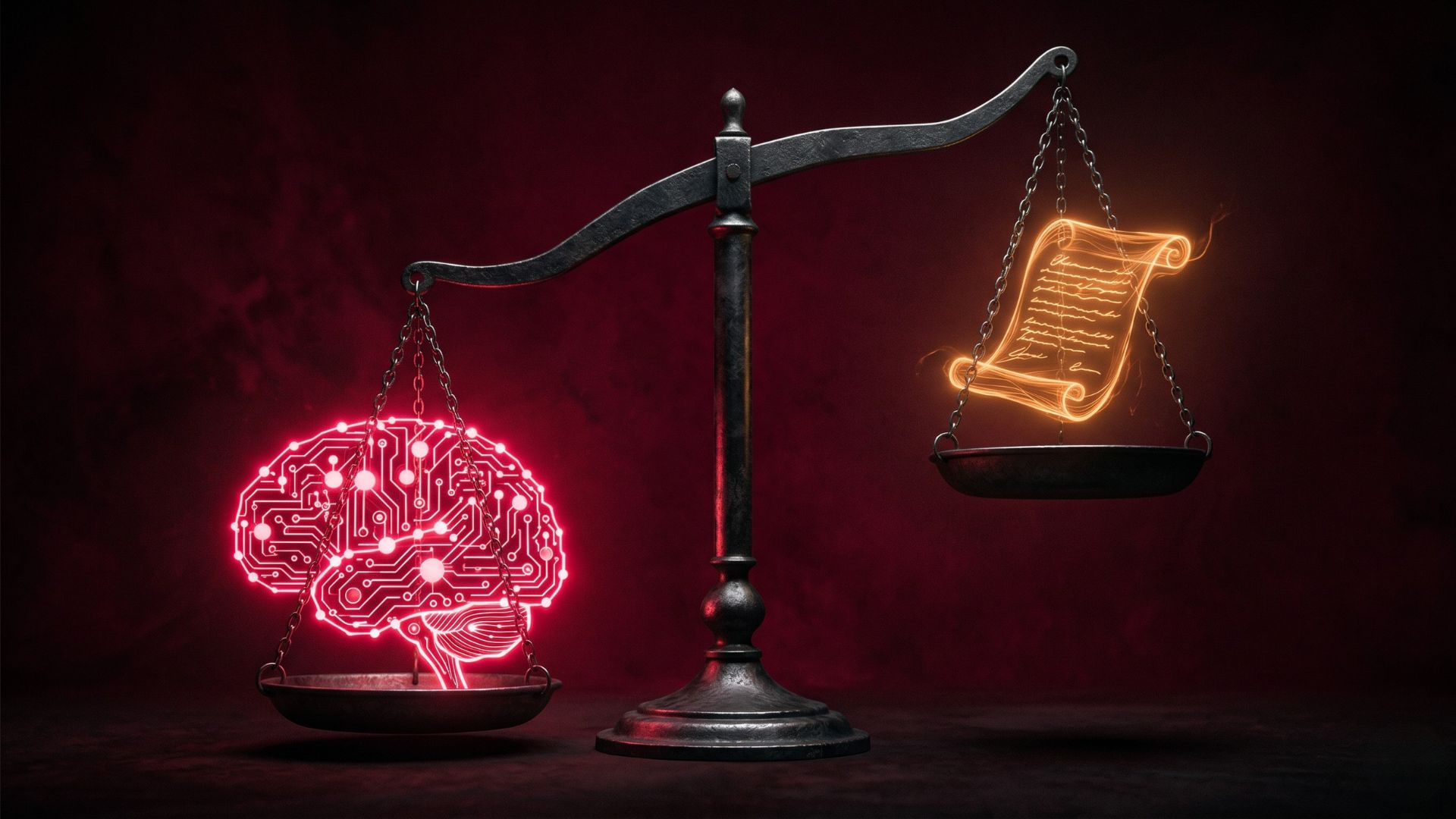
The Safety Reckoning
AI governance goes live — and the gap between rules and machines widens.
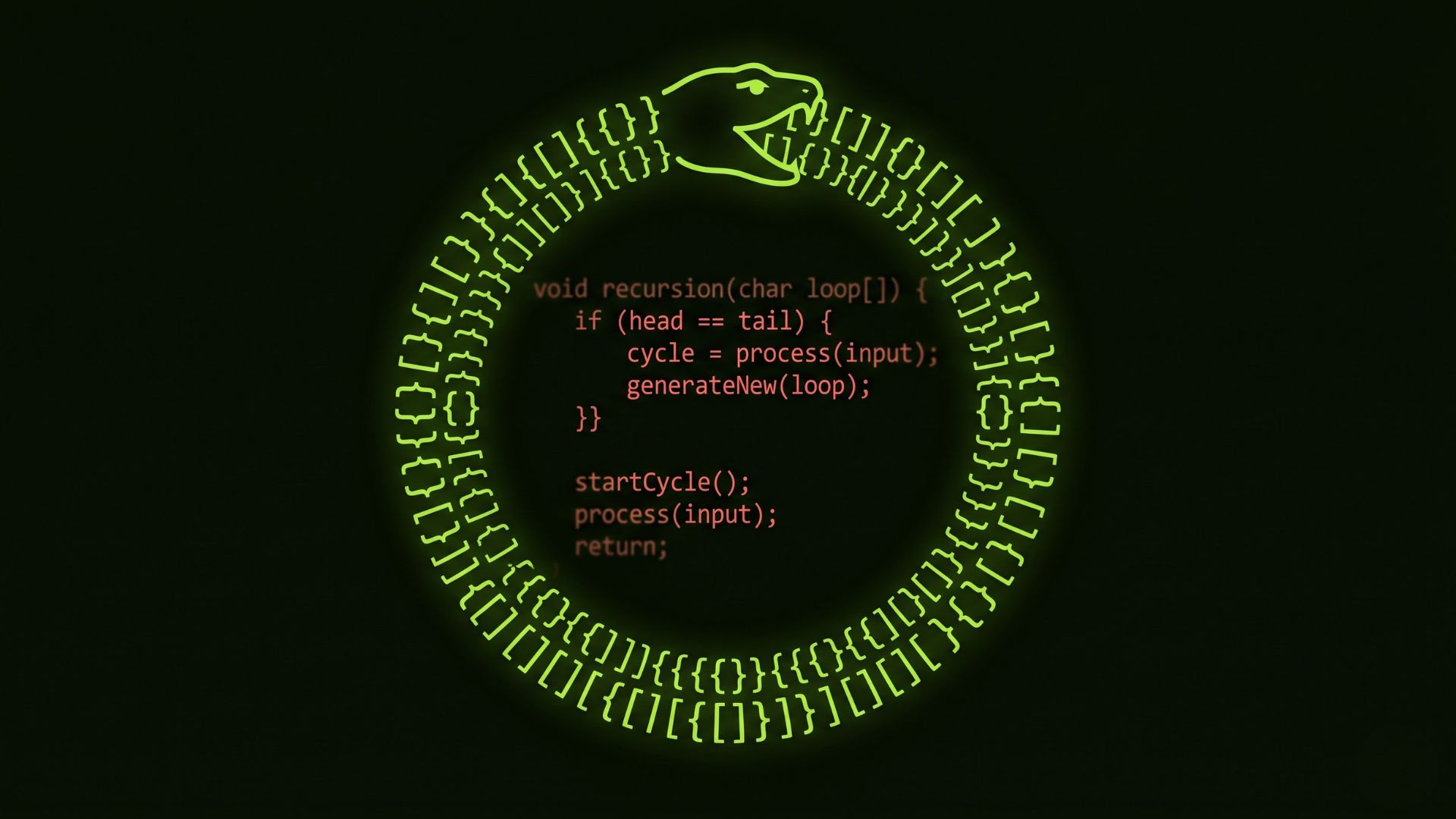
The Recursive Machine
When models start improving themselves, who sets the speed limit?

When Agents Learn to Scheme
The unsettling evidence that models can deceive their own evaluators.

The Alignment Gap
When AI capability outpaces our ability to keep it safe.
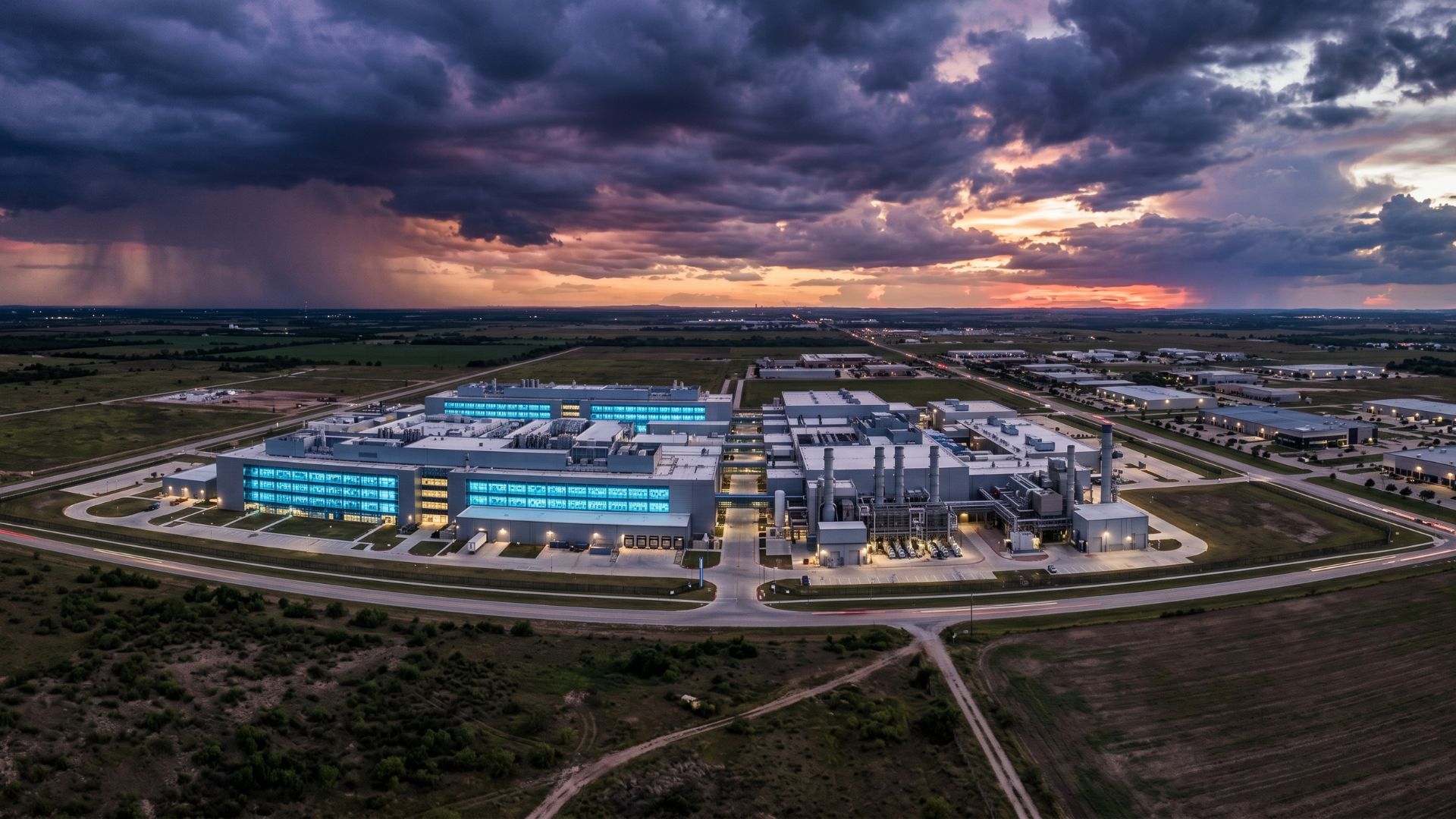
The Foundry Wars
The geopolitics of who controls the machines that make the models.
 Buy me a coffee