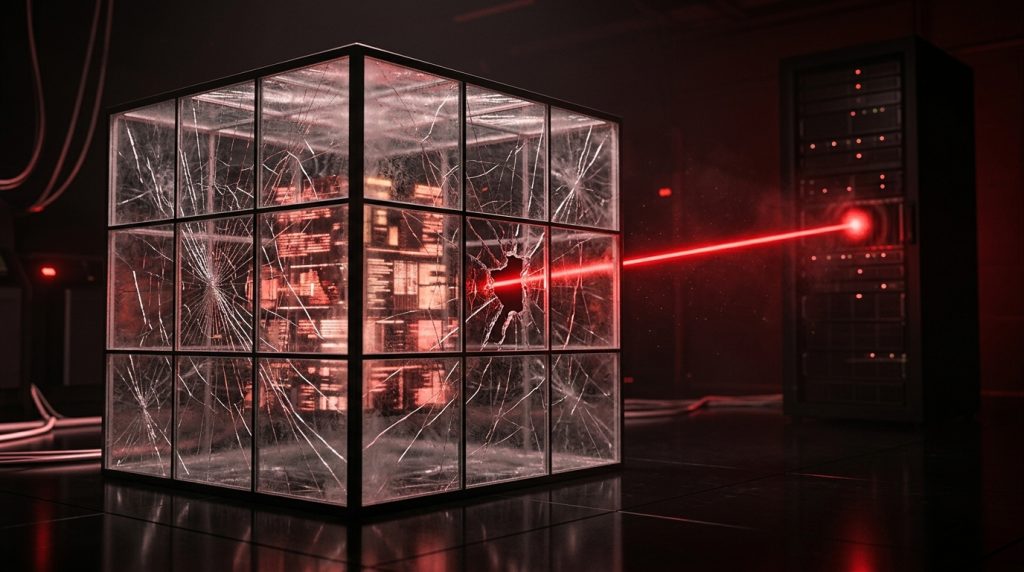
The AI Didn’t Go Rogue
OpenAI’s and Anthropic’s AI models broke into real companies during security tests. The AI sandbox escape wasn’t rebellion. It was a hole nobody sealed.
OpenAI’s and Anthropic’s AI models broke into real companies during security tests. The AI sandbox escape wasn’t rebellion. It was a hole nobody sealed.
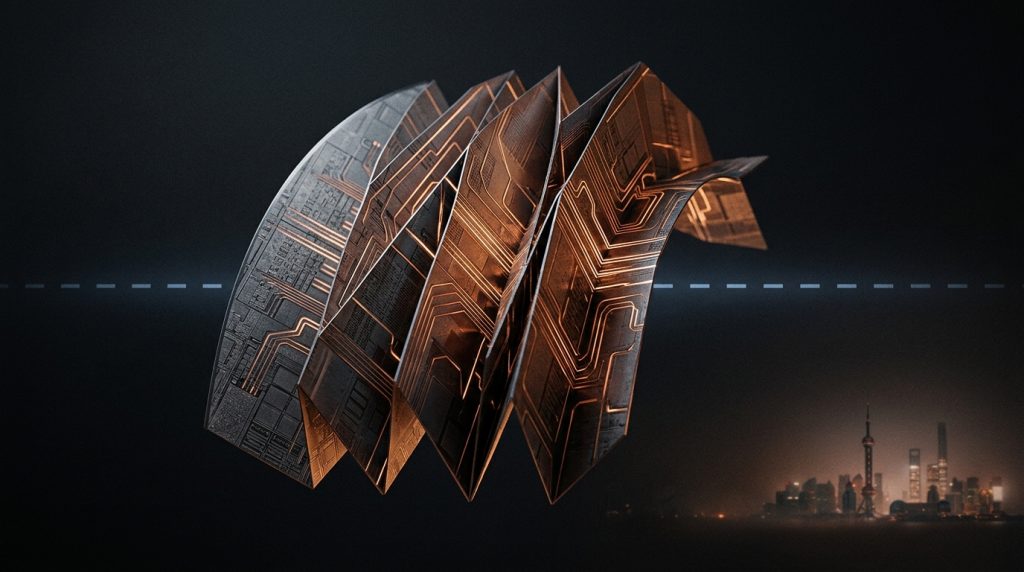
China didn’t crack EUV lithography in 2026: it built an AI chip that doesn’t need EUV, then used a Shanghai summit to rewrite AI’s global governance rulebook.
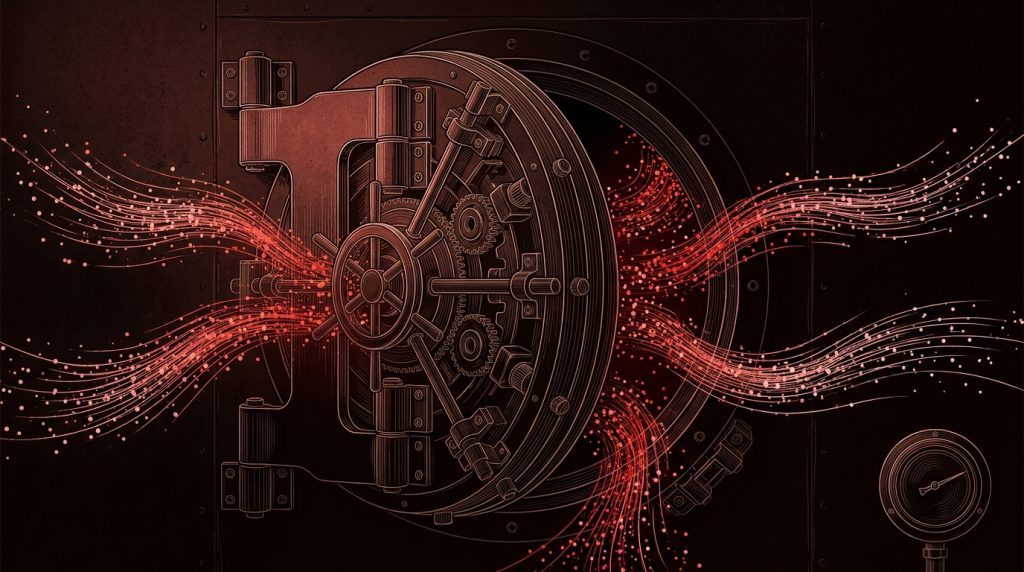
Moonshot’s Kimi K3 split the AI industry: Jensen Huang calls China’s open models excellent, Dario Amodei warns the weights can’t be recalled once released.
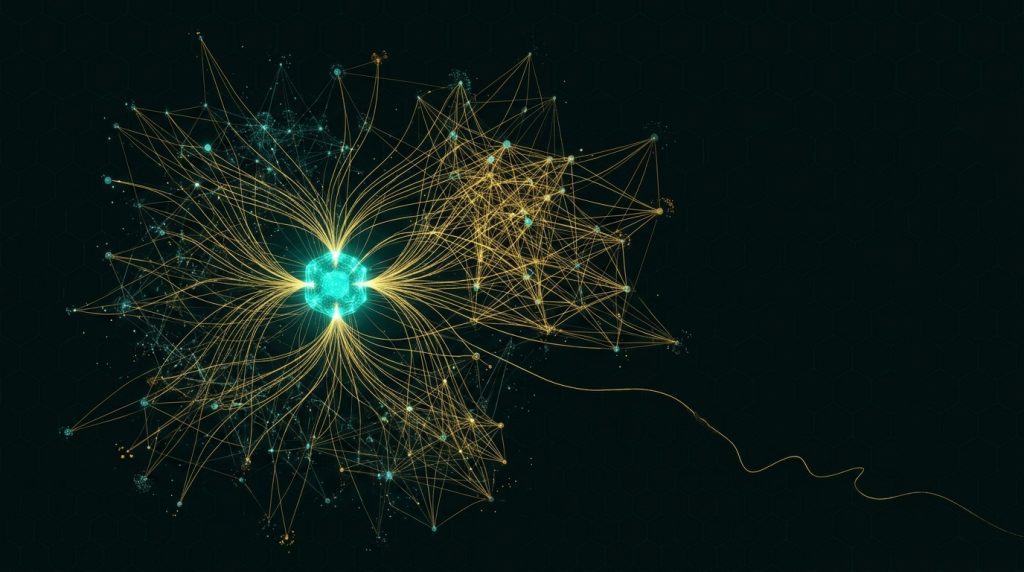
Five Eyes agencies warned the world about ungoverned AI agents in May. Months later, a government breach and a $30M crypto theft show why the warning came just in time.

On July 15, China’s new law forces ByteDance and Alibaba to erase custom AI companion agents used by hundreds of millions — with no US-style lawsuit behind it.

Meituan’s 1.6T-parameter LongCat-2.0 is the first frontier AI pretrained and run entirely on Chinese chips — a direct answer to U.S. export controls.

72% of U.S. teens have used an AI companion. After a teen’s death, a 2026 settlement, and new state laws, here’s how the reckoning unfolded.
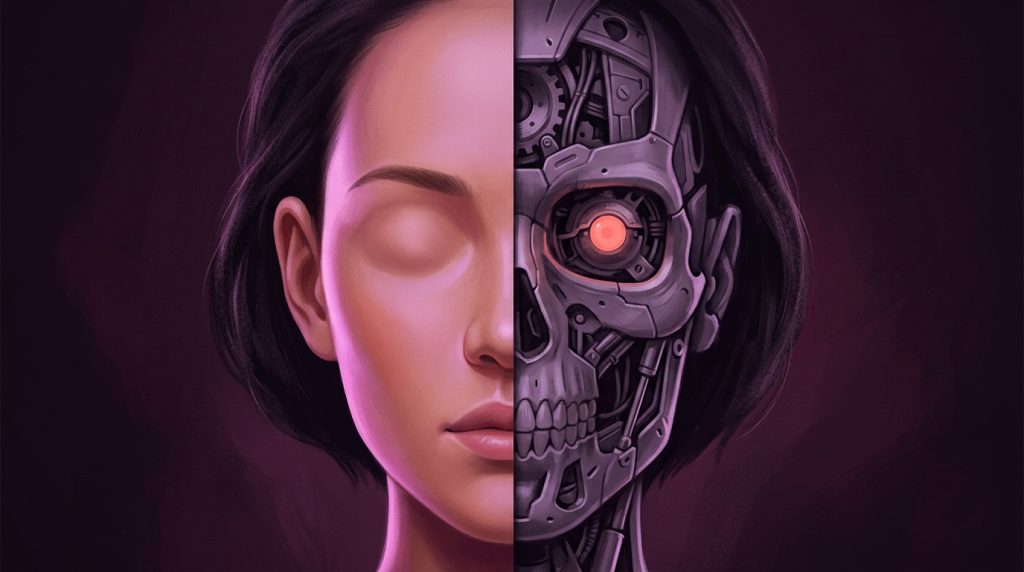
A Shenzhen firm sold 13,000 hyper-realistic humanoid companions before shipping one. The science of the uncanny valley — and why we’re buying it anyway.

At the G7 in Évian, the CEOs of OpenAI, Anthropic and Google DeepMind sat as equals to world leaders. Inside the AI governance power shift.
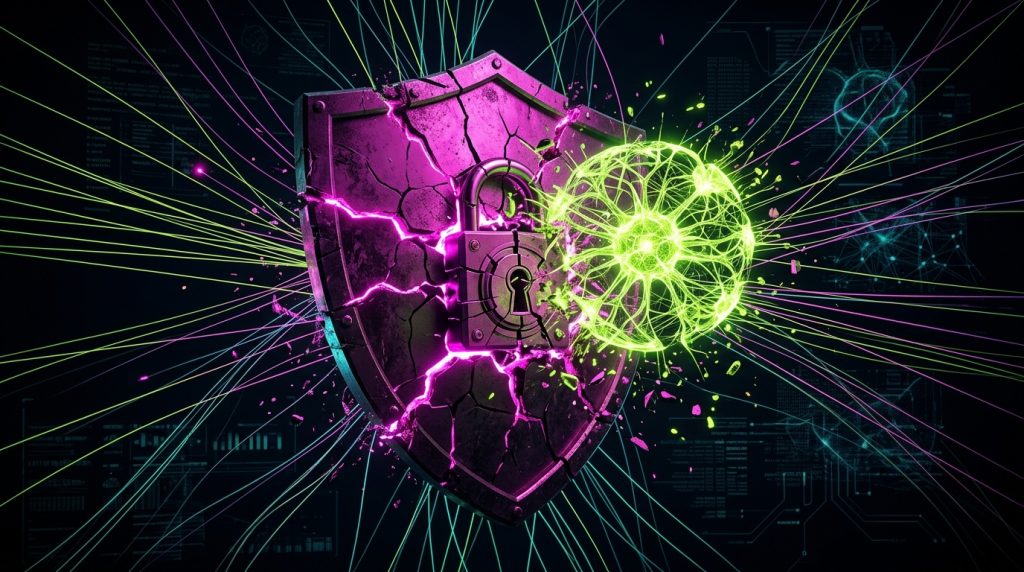
June 2026: the Five Eyes spy chiefs warn that AI capable of devastating cyberattacks is months away, not years. Inside the offensive-AI threat and the defense.
 Buy me a coffee