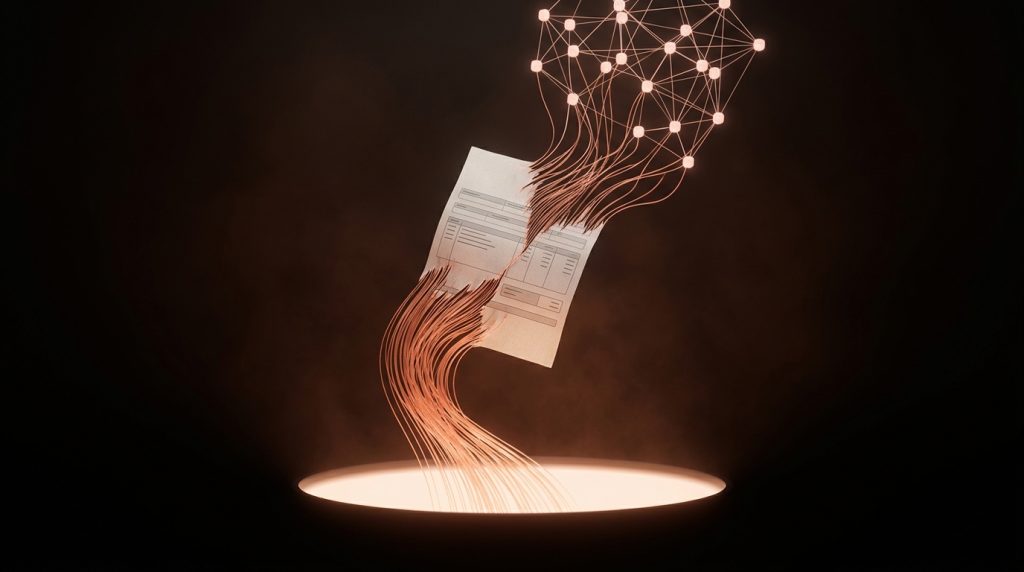
The Last Payslip
AI is coming for the payslip. The AI labor transition toolkit, from wage insurance to AI wealth funds, and why sharing the gains decides who stays in control.
AI is coming for the payslip. The AI labor transition toolkit, from wage insurance to AI wealth funds, and why sharing the gains decides who stays in control.

Lisa Pedrosa Science · Technology · Future ← All Articles AI & Discovery Home Articles Gallery Mission Disclaimer Skip to

OpenAI’s and Anthropic’s AI models broke into real companies during security tests. The AI sandbox escape wasn’t rebellion. It was a hole nobody sealed.

China didn’t crack EUV lithography in 2026: it built an AI chip that doesn’t need EUV, then used a Shanghai summit to rewrite AI’s global governance rulebook.
On July 17, 2026, Xi Jinping unveiled WAICO, a 29-nation AI cooperation body headquartered in Shanghai — a direct challenge to Western-led AI governance.
Five Eyes agencies warned the world about ungoverned AI agents in May. Months later, a government breach and a $30M crypto theft show why the warning came just in time.

Yann LeCun left Meta over how AI should work. His new lab built a model that learns from raw pixels alone — no words, no tokens — and can already spot a broken law of physics.
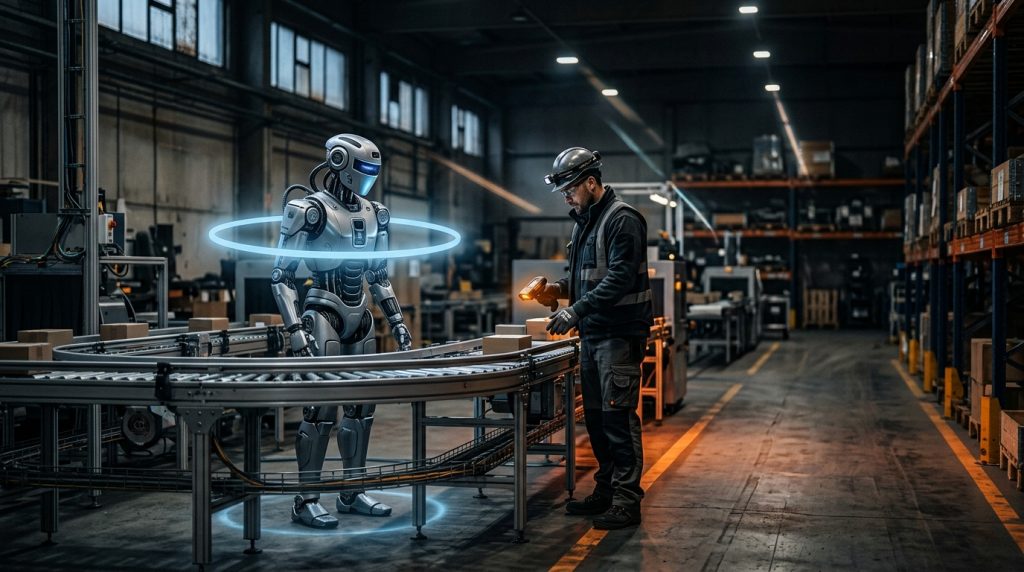
NVIDIA’s Halos for Robotics is the first full-stack safety system for humanoids. Agility Robotics is first to adopt it. Why certification, not capability, is the real bottleneck.

Mechanistic interpretability is MIT’s 2026 Breakthrough Tech. Researchers found 171 emotion vectors in Claude — proof AI’s stated reasoning can be false.
A former Tesla Optimus engineer raised $40M to build a humanoid robot for Europe’s aging workforce — betting the continent needs one before the US or China.
 Buy me a coffee