AI Flags 250,000 Suspect Cancer Papers as Fraud
A BERT-based AI model screened 2.6 million cancer studies and flagged over 250,000 as showing paper-mill fingerprints — with real stakes for treatment guidelines.
A BERT-based AI model screened 2.6 million cancer studies and flagged over 250,000 as showing paper-mill fingerprints — with real stakes for treatment guidelines.

A June 2026 Nature Microbiology study validated a hematology AI agent prospectively and externally — clearing a bar most clinical-AI research never attempts.
OpenAI’s GeneBench-Pro gave frontier AI models 129 research-grade genomics problems. The best model solved fewer than a third — a sobering AI-for-science reality check.
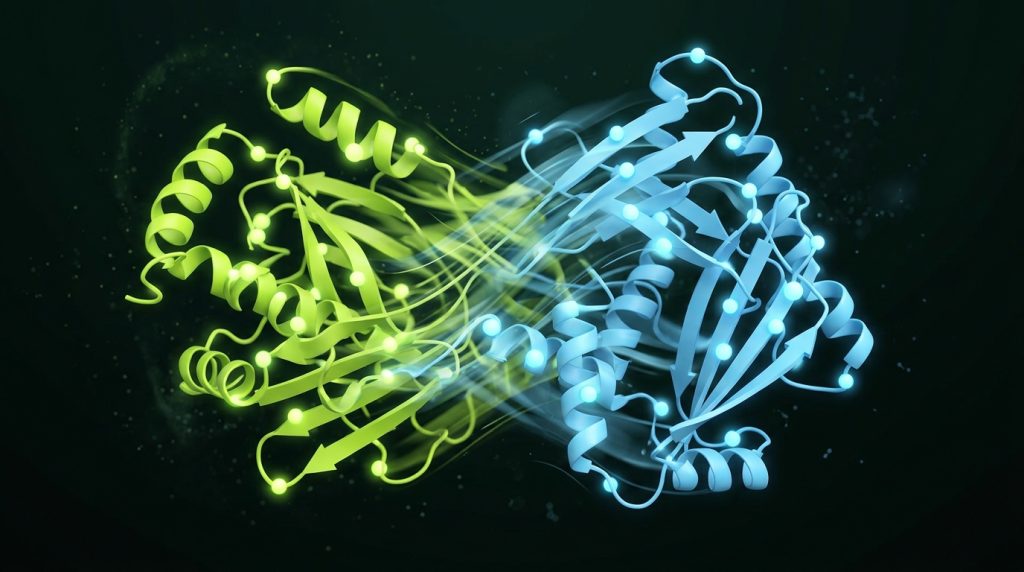
AlphaFold solved the static shape of proteins. The 2026 frontier is motion — AI that predicts how proteins flex, breathe, and bind. Here’s the leap.
With 39 million antibiotic-resistance deaths projected by 2050, generative AI is designing brand-new antibiotics from billions of molecules — and they’re killing superbugs.
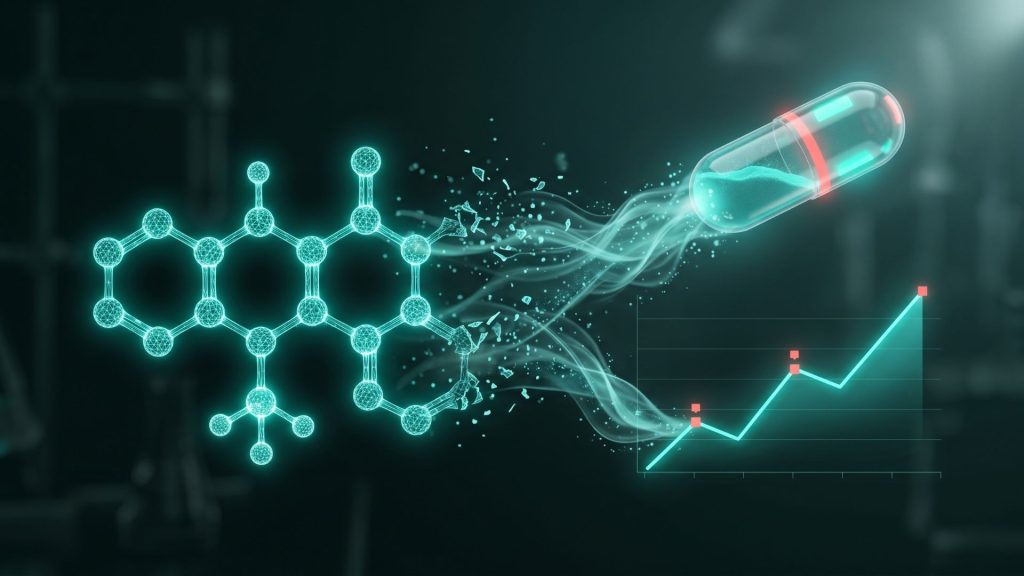
Around 15 AI-discovered drugs entered Phase III in 2026. Inside the trials — from Insilico’s rentosertib to Recursion — that will decide if AI medicine is real.
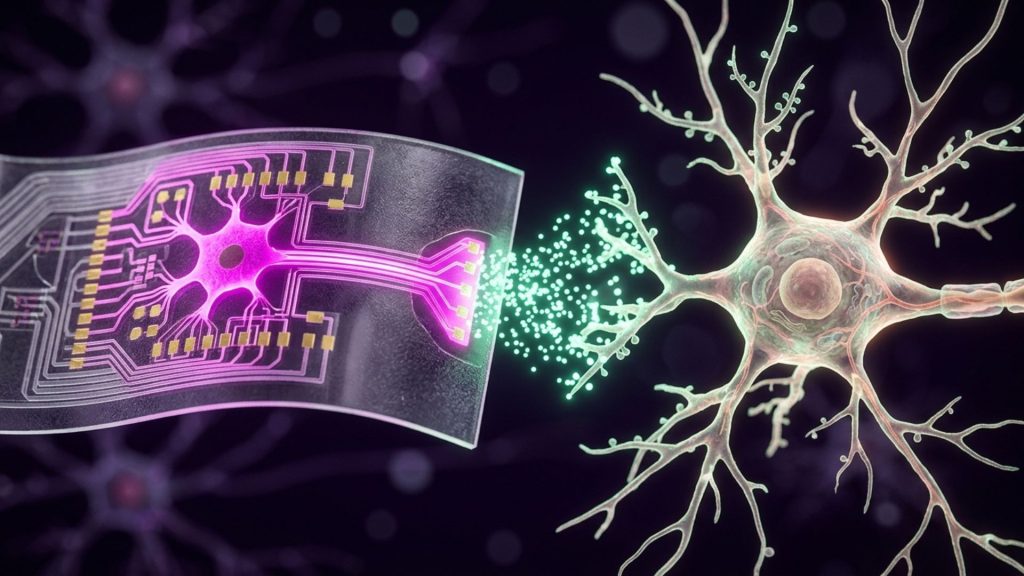
Northwestern engineers printed flexible artificial neurons that fire lifelike signals — and living brain cells answered back, a leap for neuroprosthetics and low-power AI.
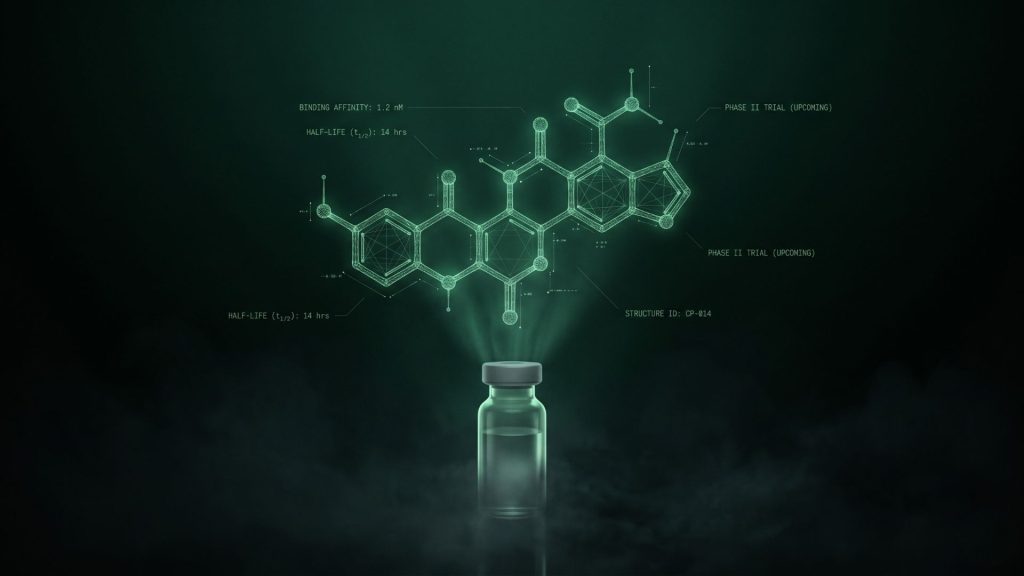
By the end of 2026, the first drug a machine designed from scratch is meant to enter a human body. The numbers behind AI-designed drugs, and what they prove.
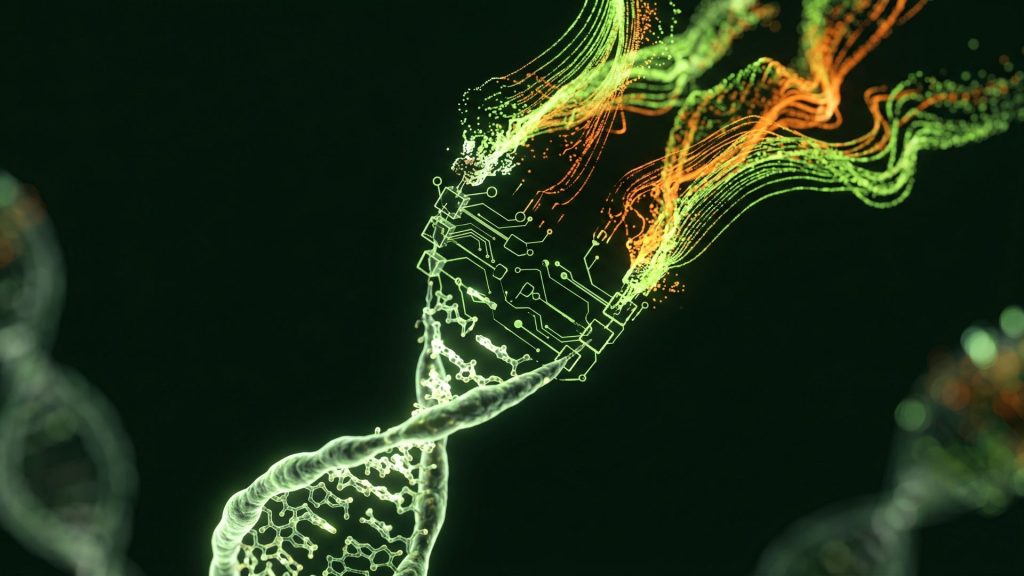
AI models trained on 9.3 trillion DNA base pairs are now writing novel genomes – and the first AI-designed viruses already outperform their natural ancestors.

FutureHouse’s Robin read 551 papers, formed a hypothesis, and identified a blindness treatment — on its own. The closed-loop AI scientist is no longer theoretical.
 Buy me a coffee