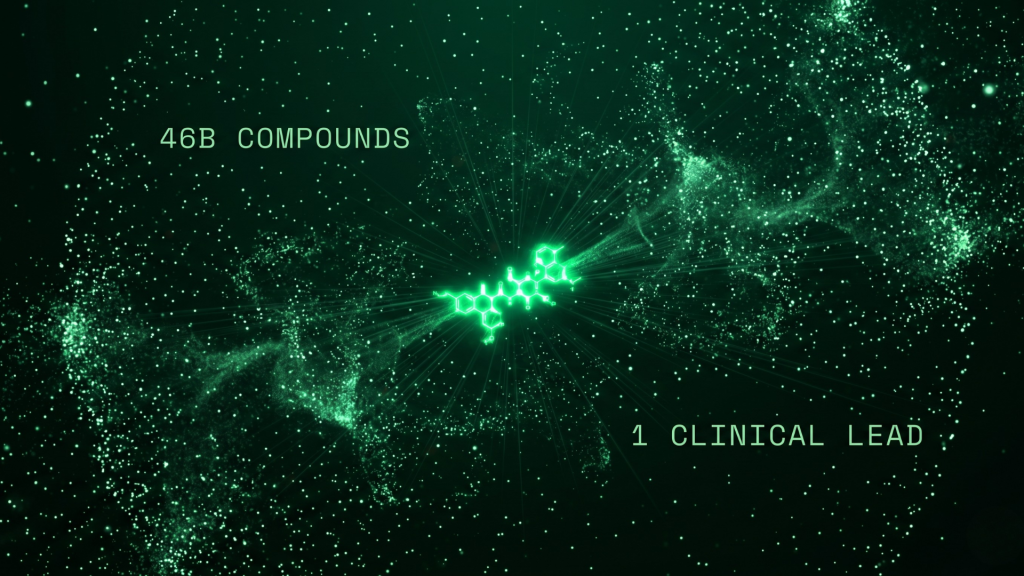
Synthesin AI Antibiotic
McMaster’s SyntheMol-RL explored 46 billion compounds and designed synthecin, a novel antibiotic effective against drug-resistant staph.
McMaster’s SyntheMol-RL explored 46 billion compounds and designed synthecin, a novel antibiotic effective against drug-resistant staph.

In 1946, Paul Erdős asked how many point pairs can sit exactly one unit apart. For 80 years, mathematicians had the wrong answer. Then an AI found the right one.

Every major language model generates text one token at a time. Gemini Diffusion generates entire blocks at once, hitting 1,479 tokens/sec. A paradigm shift.
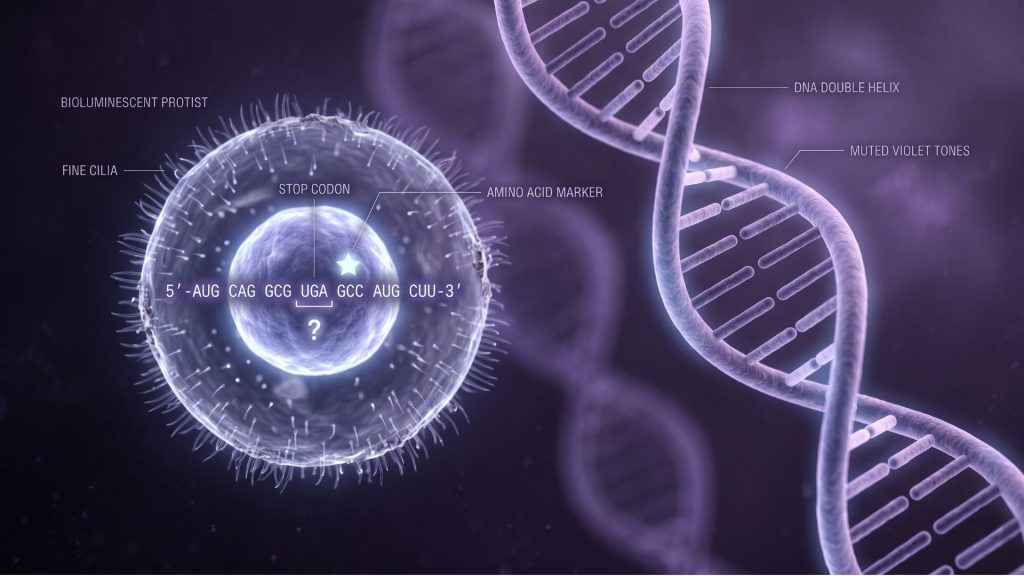
A pond protist at Oxford uses a genetic code that breaks biology’s most universal rule. Two stop codons repurposed to code for amino acids. The science and what it means.
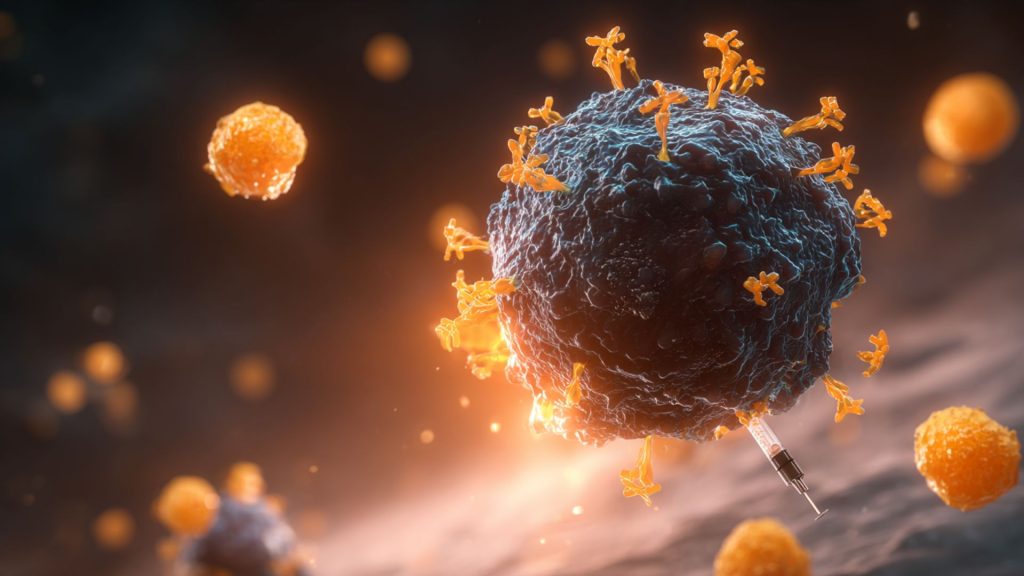
Keytruda now takes 60 seconds to deliver. How the NHS is rolling out the subcutaneous formulation, how checkpoint immunotherapy works, and what this means for access.
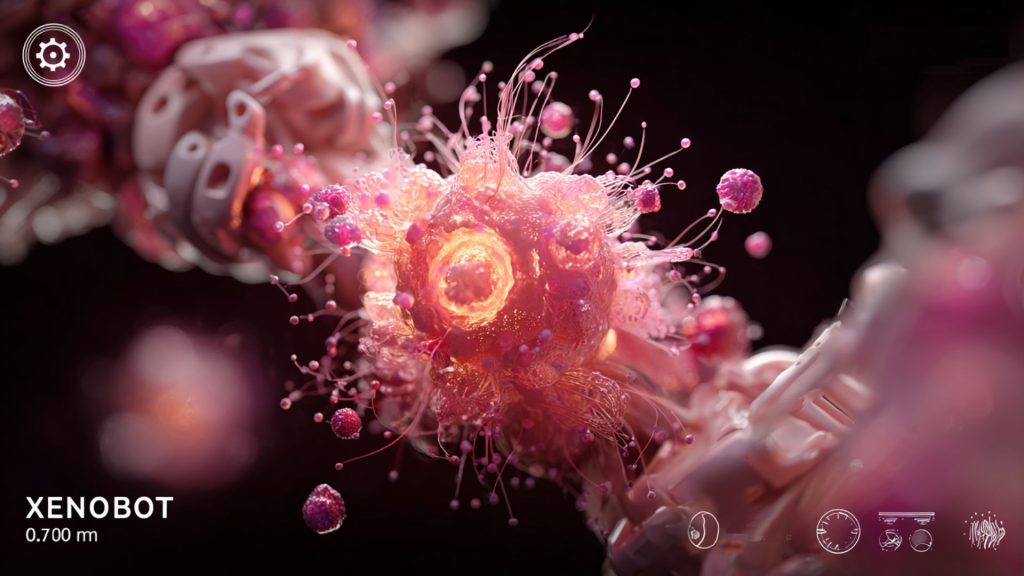
Xenobots are described as living robots made from frog cells. That framing is reasonable. It is also wrong in ways that matter — and the accurate version is stranger and more important.

hat happens when machines do all the work? The science and history of Universal Basic Income — from 1795 England to the world’s largest experiment in Kenya.
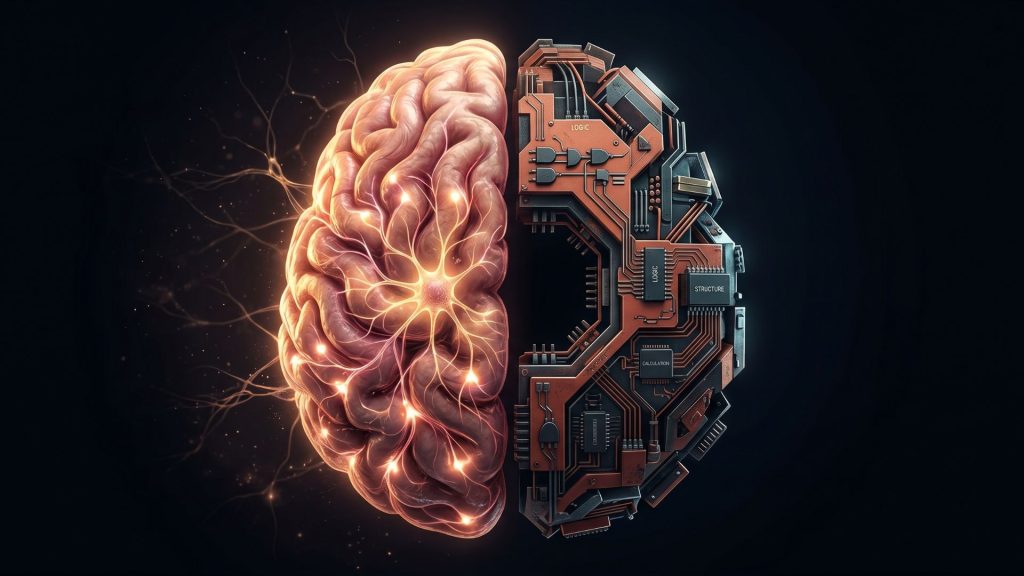
Without hormones, pain, gender, or the subconscious — what would a superintelligent mind actually be? The neuroscience of what makes us us, and what silicon cannot replace.

Recursive self-improvement is live. Three AI systems now rewrite their own code. The last frontier before AGI is embodiment. And the clock is running.

Anthropic’s Mythos scores 93.9% on SWE-Bench and can find zero-day exploits autonomously. It’s the most capable AI ever built — and no one outside Project Glasswing can touch it.
 Buy me a coffee