
Long Memory
Google’s Titans architecture and new AI memory frameworks are solving catastrophic forgetting — the 40-year-old problem that kept AI systems perpetually amnesiac.
Google’s Titans architecture and new AI memory frameworks are solving catastrophic forgetting — the 40-year-old problem that kept AI systems perpetually amnesiac.
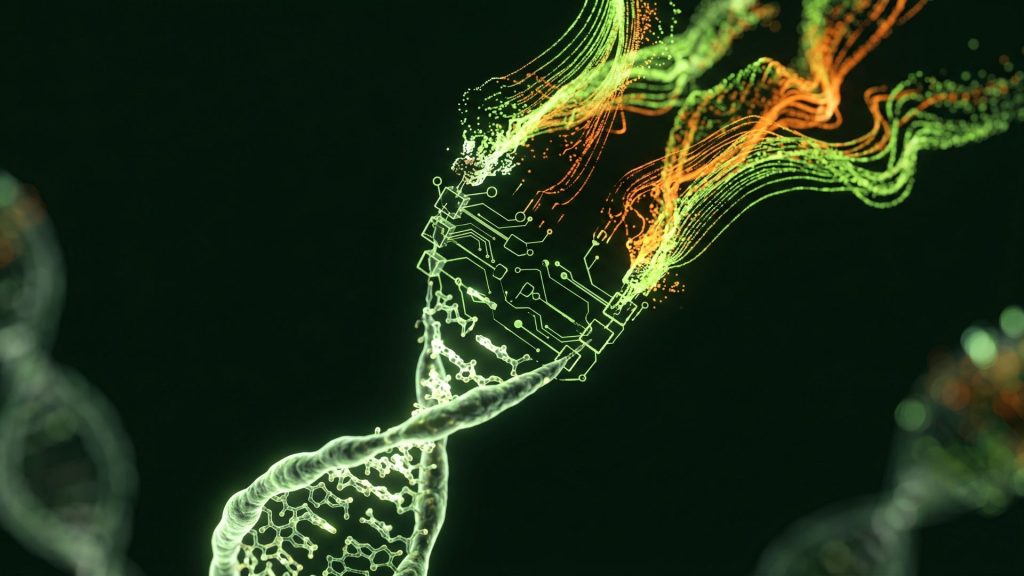
AI models trained on 9.3 trillion DNA base pairs are now writing novel genomes – and the first AI-designed viruses already outperform their natural ancestors.
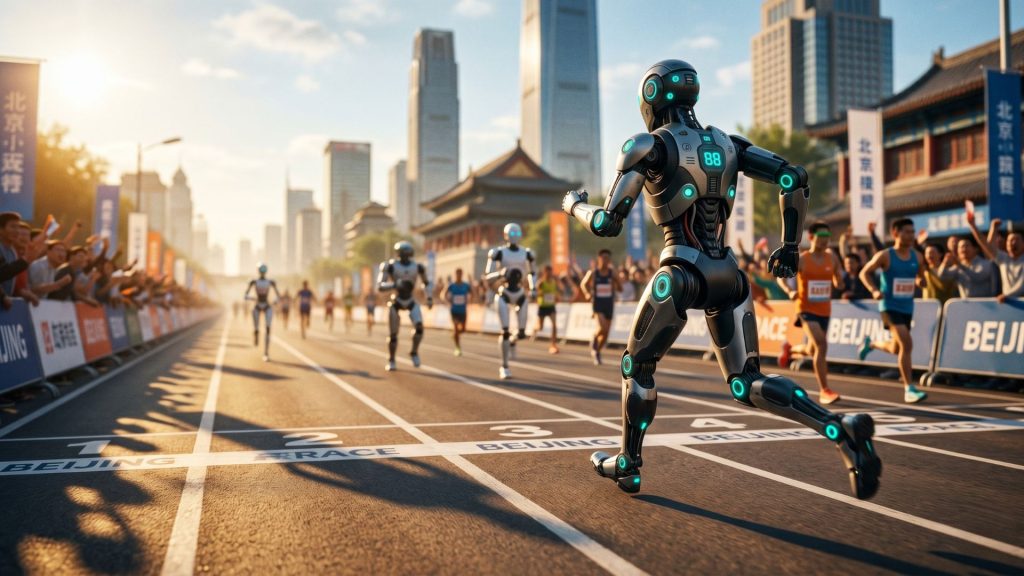
In April 2026, a Chinese robot ran a half-marathon in 50:26 – faster than any human ever has. What the Beijing race reveals about physical AI today.
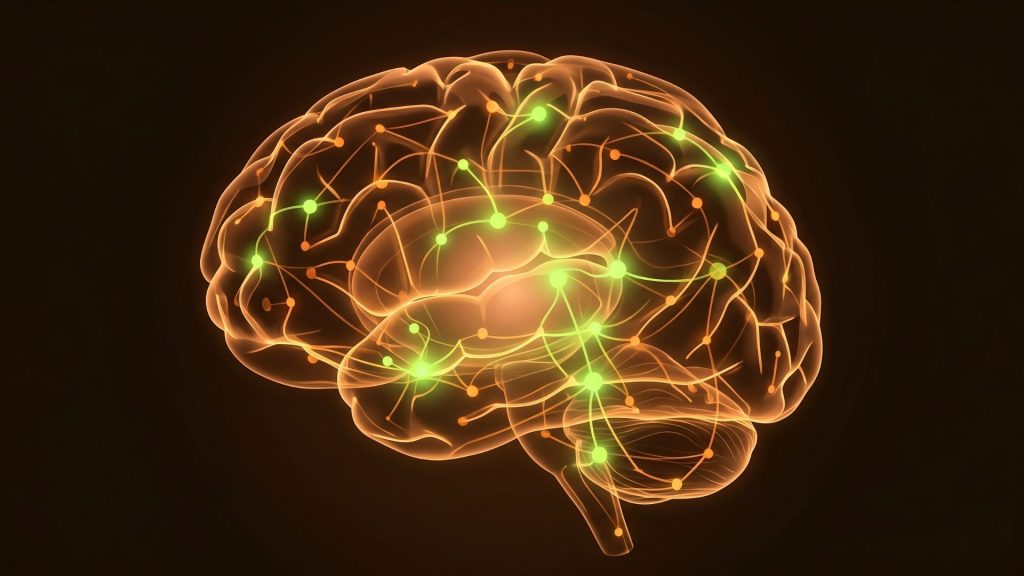
Meta’s TRIBE v2 predicts how a human brain reacts to sights, sounds, and language — a milestone in AI-driven neuroscience with big implications for medicine and privacy.
Yann LeCun, DeepMind, and Fei-Fei Li are betting billions that “world models” — AI that simulates physical reality — will surpass language models.
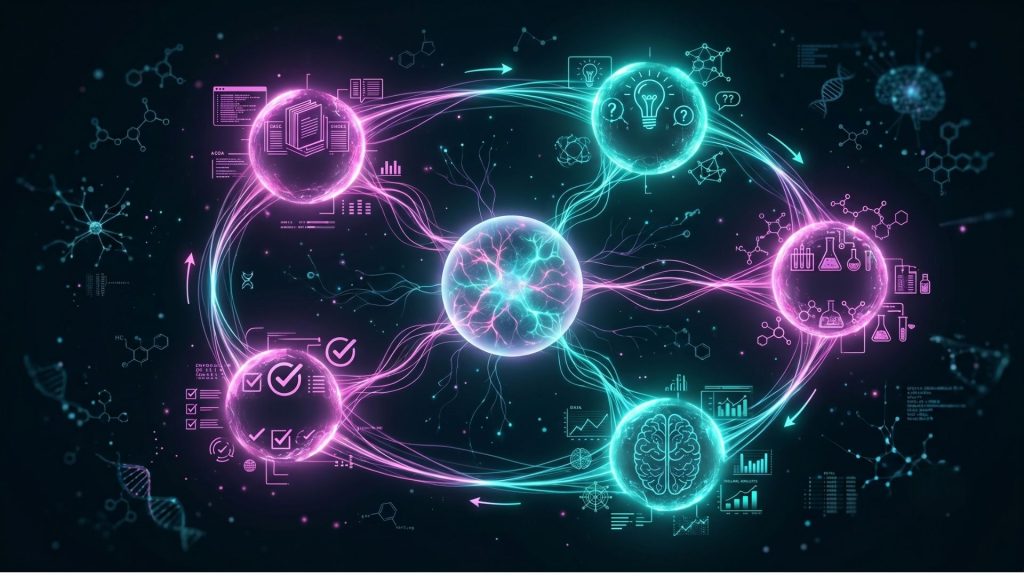
FutureHouse’s Robin read 551 papers, formed a hypothesis, and identified a blindness treatment — on its own. The closed-loop AI scientist is no longer theoretical.
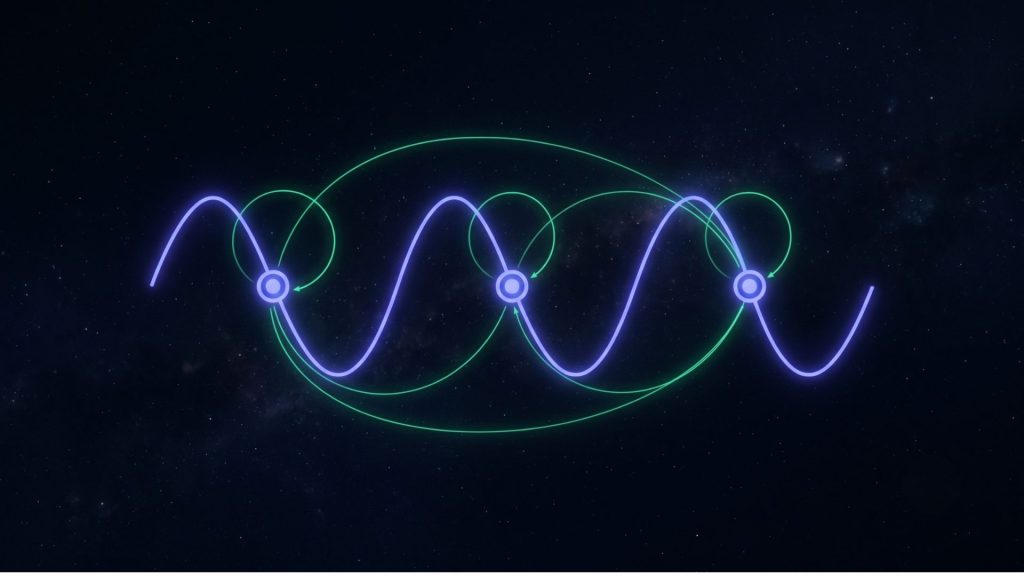
Mamba-3 landed at ICLR 2026. Neuro-symbolic AI cut robot training from 36 hours to 34 minutes. The post-transformer era isn’t coming — it’s here.
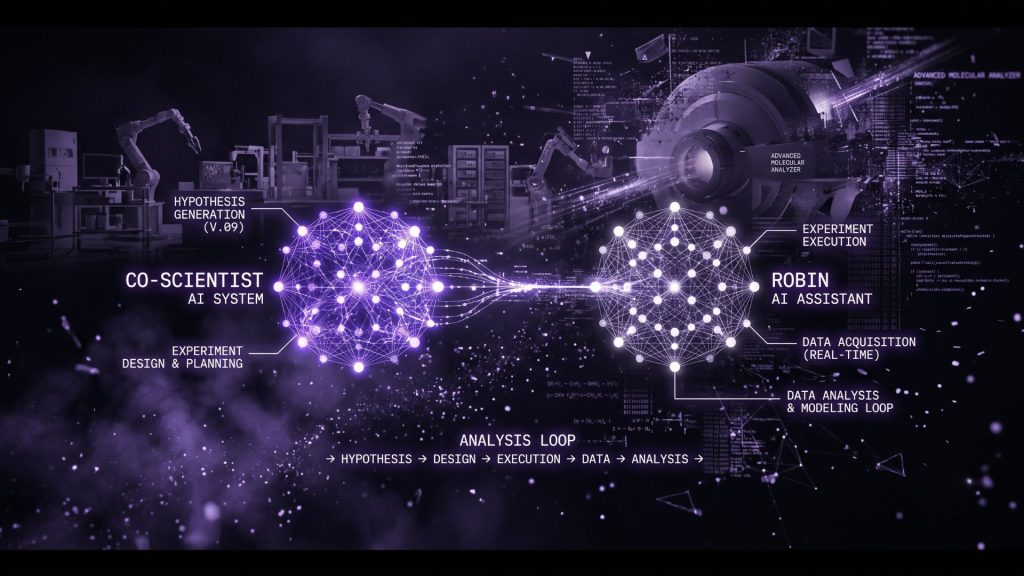
Two AI systems published in Nature can generate hypotheses, design experiments, and make real discoveries. The same papers reveal what AI still cannot do.
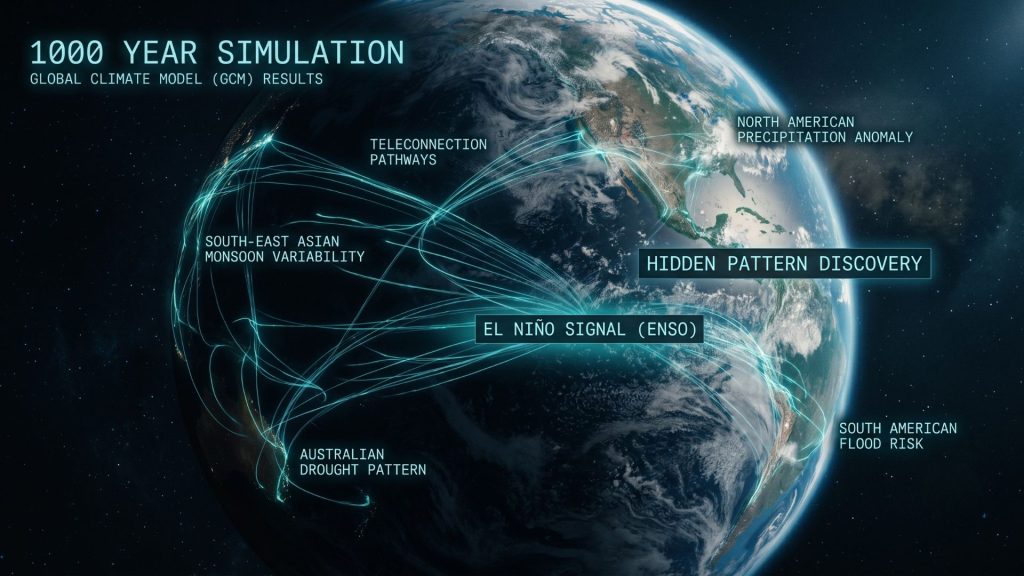
AI climate models are no longer just forecasting — they’re finding hidden patterns in Earth’s system that physics-based models missed entirely.
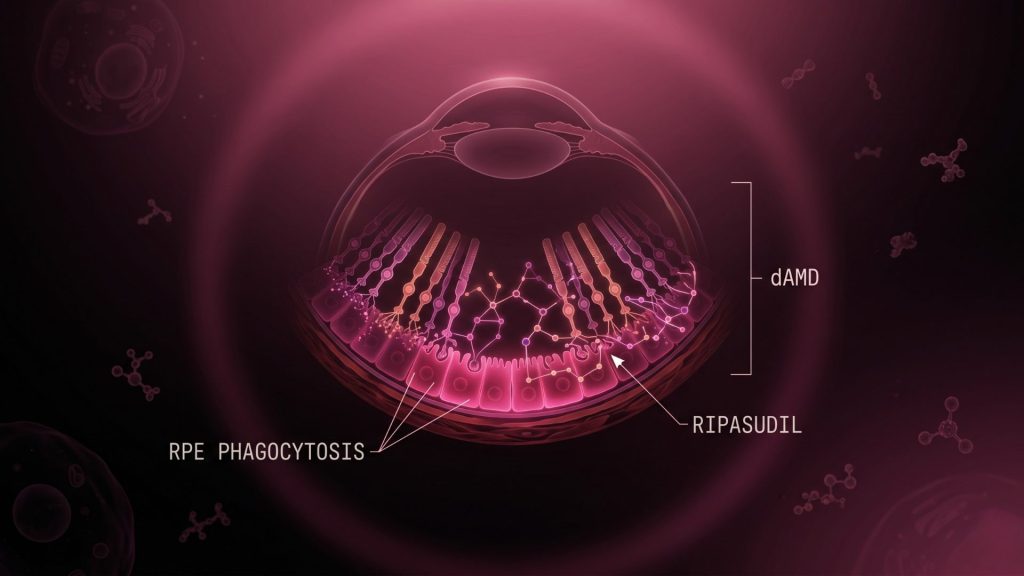
FutureHouse’s Robin AI autonomously identified ripasudil as a novel treatment for dry macular degeneration — the leading cause of blindness — in 2.5 months.
 Buy me a coffee