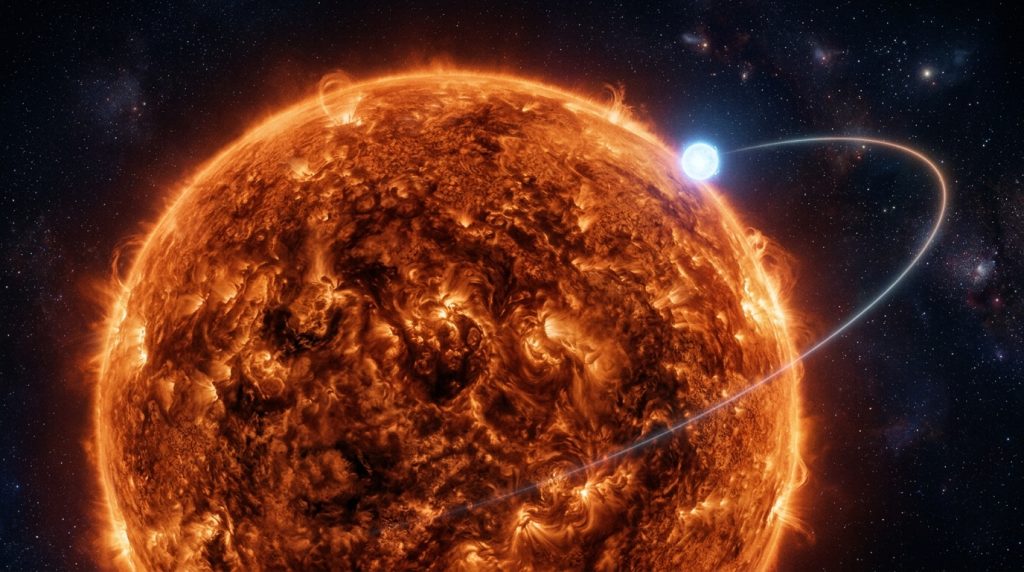
The Star That Wasn’t Alone
Astronomers directly imaged Betelgeuse’s companion star for the first time, ending a century-long search. Here’s how they found it, and what’s still open.
Astronomers directly imaged Betelgeuse’s companion star for the first time, ending a century-long search. Here’s how they found it, and what’s still open.
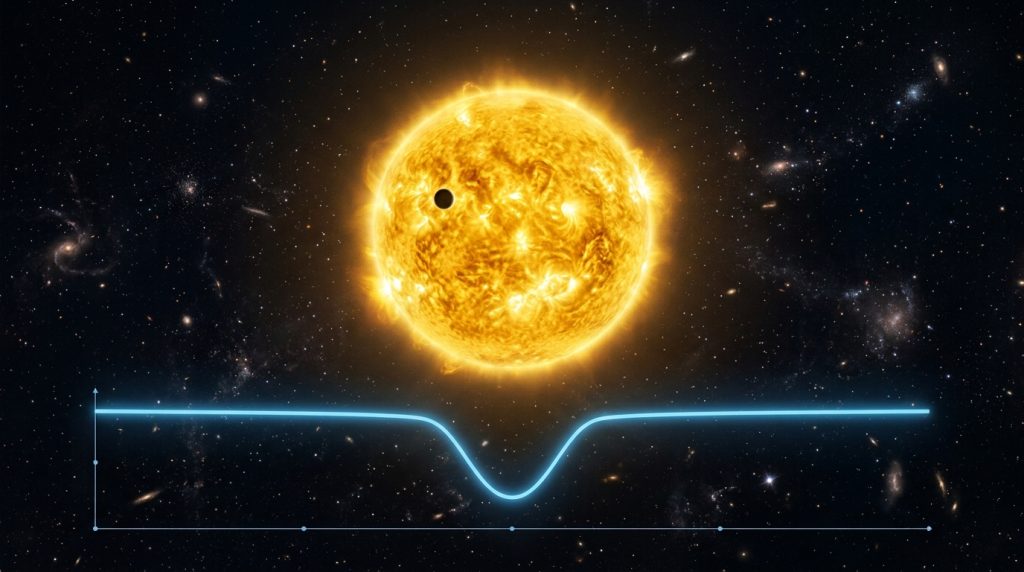
In 2026, AI sifting old NASA telescope data found 10,000+ new exoplanet candidates — enough to double the known count. How machine learning is remapping the galaxy.
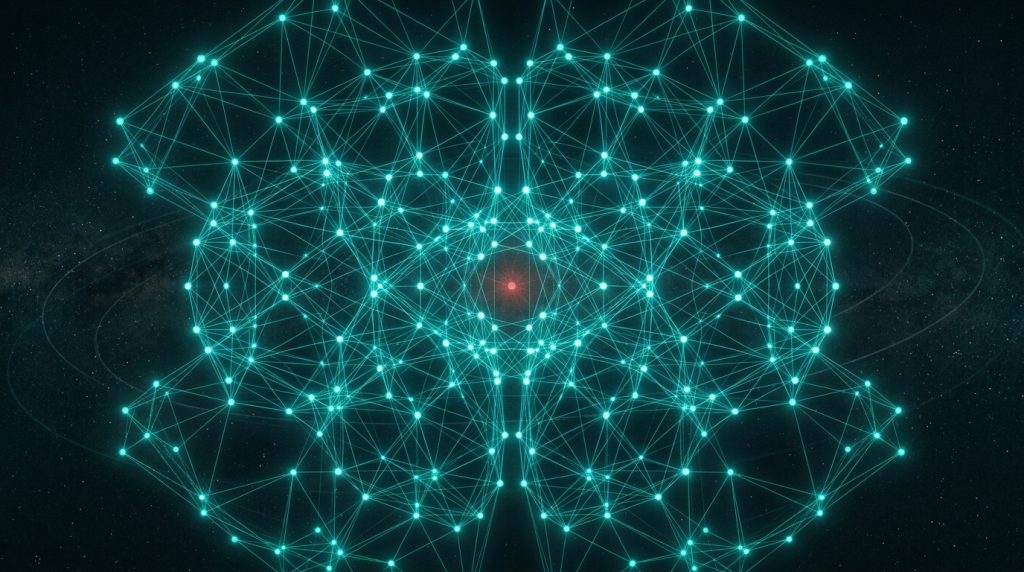
A 2026 study shows AI trained on the standard model of cosmology can miss new physics — a flaw called negative transfer. Why machines must learn to forget.
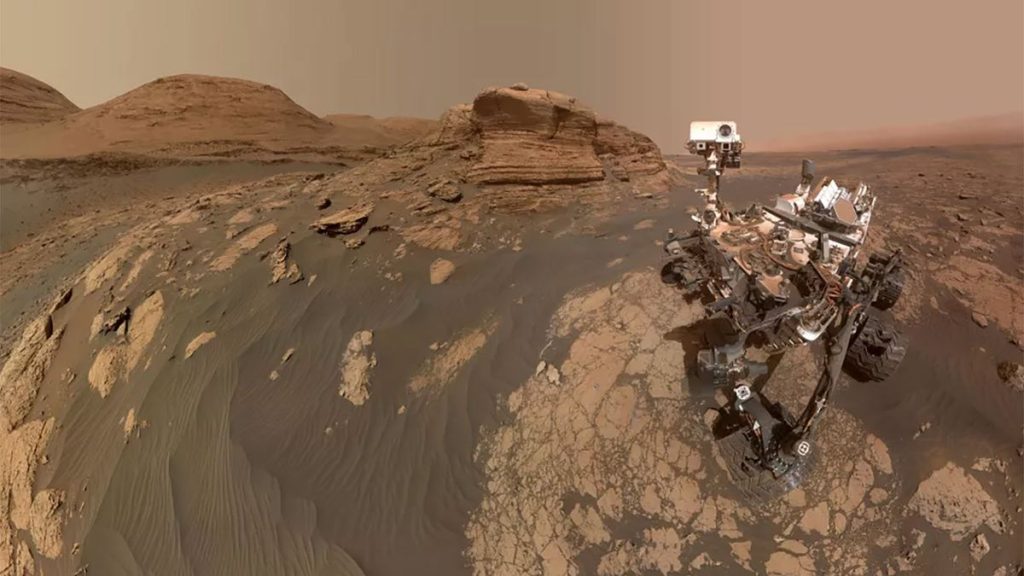
Humanity’s first foothold on Mars will cost a trillion dollars and may kill the first to try. A clear-eyed reckoning with the case for – and against.
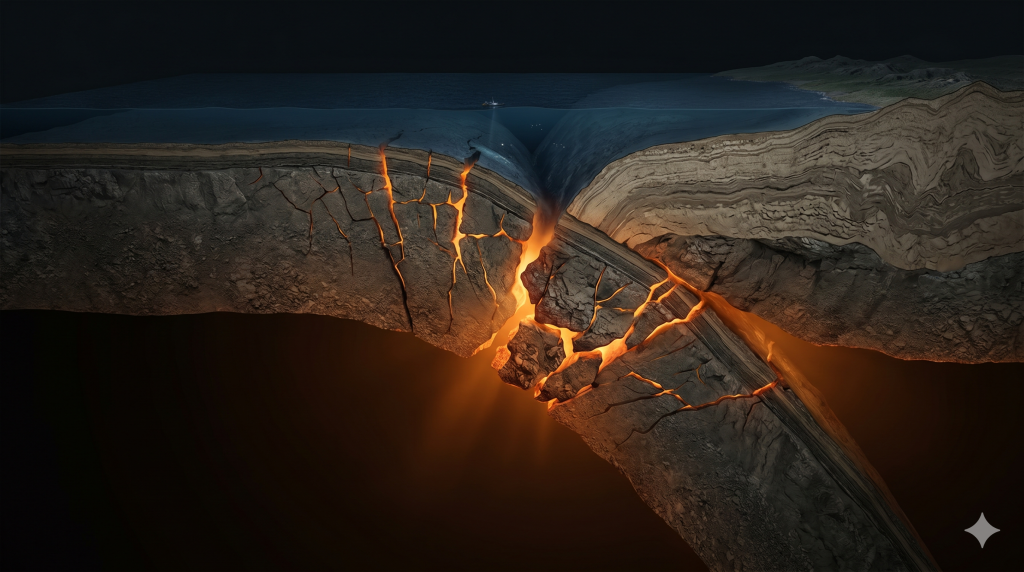
For the first time ever, scientists captured a tectonic plate tearing itself apart. Inside the dying Juan de Fuca plate beneath the Pacific Northwest.
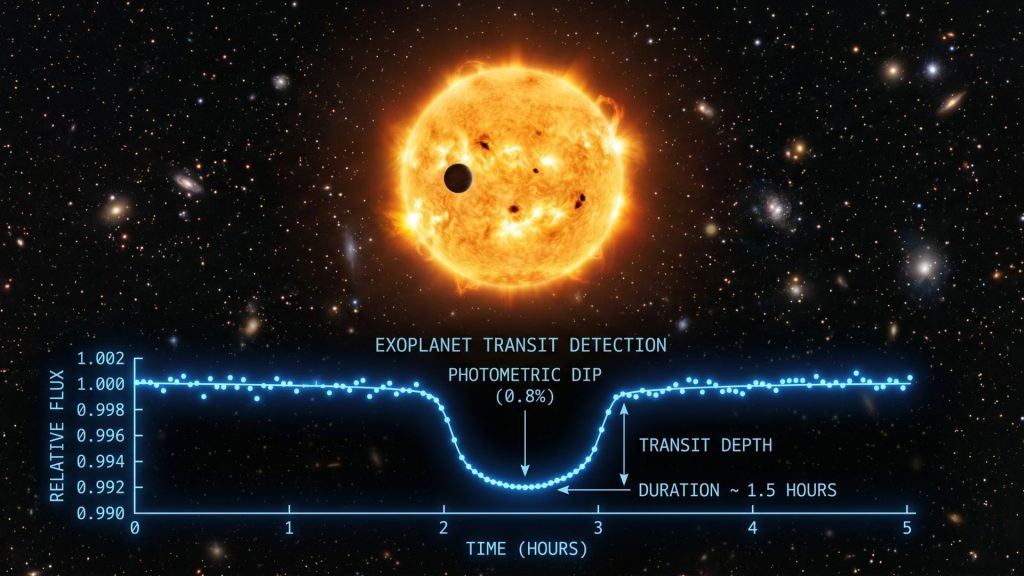
Lisa Pedrosa ← All Articles · AI & Scientific Discovery About Articles Skip to main content Planetary transit diagram A
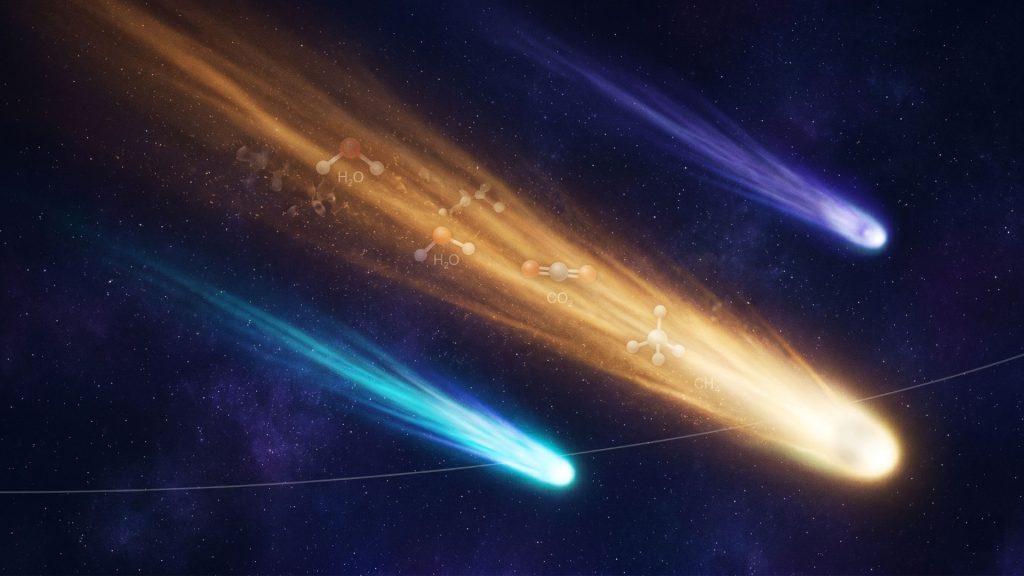
Interstellar comet 3I/ATLAS carries water 40 times heavier than Earth’s oceans. Three visitors from other stars suggest our solar system may be the outlier.
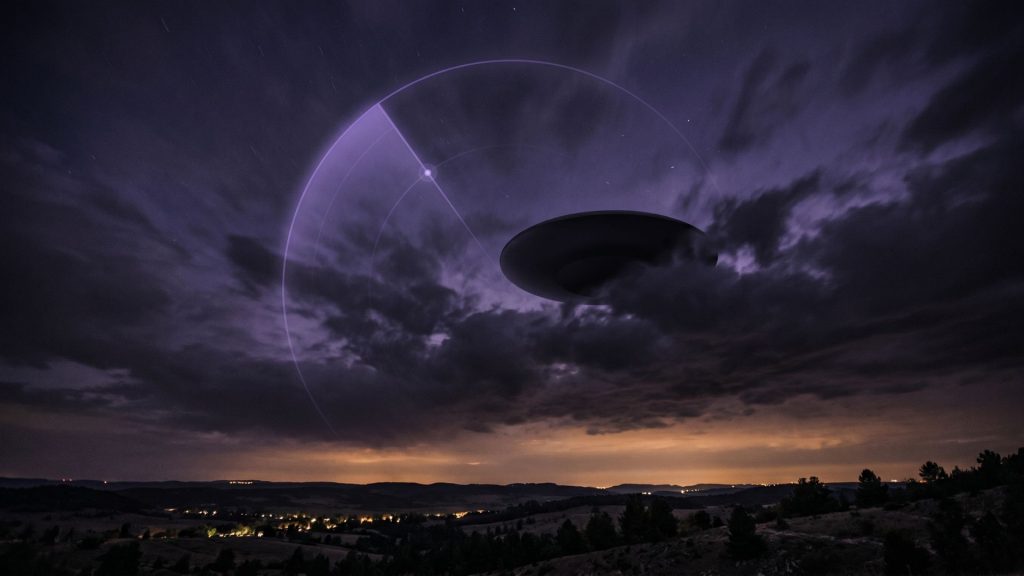
The Pentagon released 161 classified UAP files on 8 May 2026. They show craft doing things that shouldn’t be possible. They do not confirm extraterrestrial origin. Both things are true.
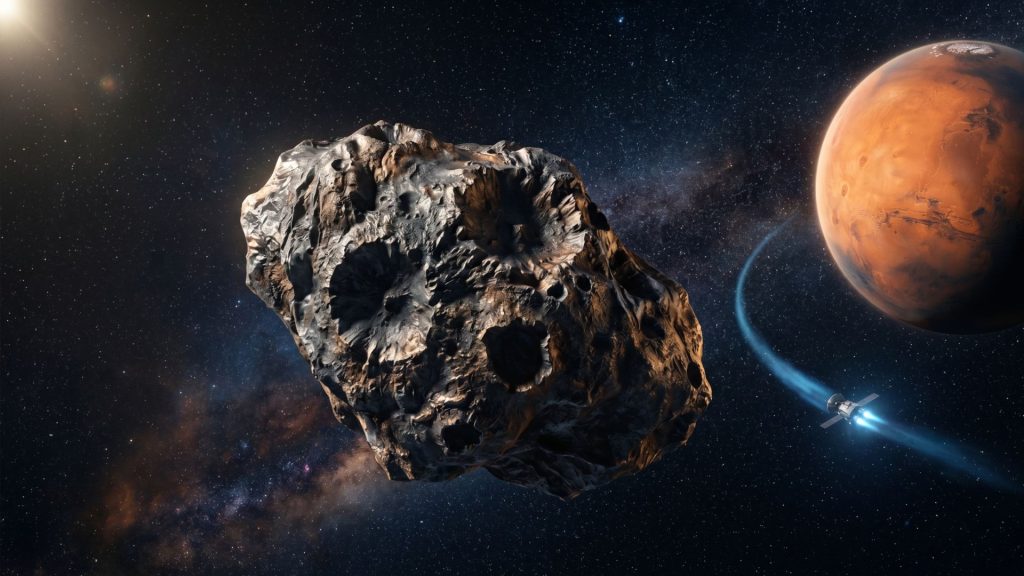
On 15 May 2026, NASA’s Psyche spacecraft skims Mars at 12,333 mph to steal its gravity. Destination: an iron asteroid that may be a dead planet’s exposed core.
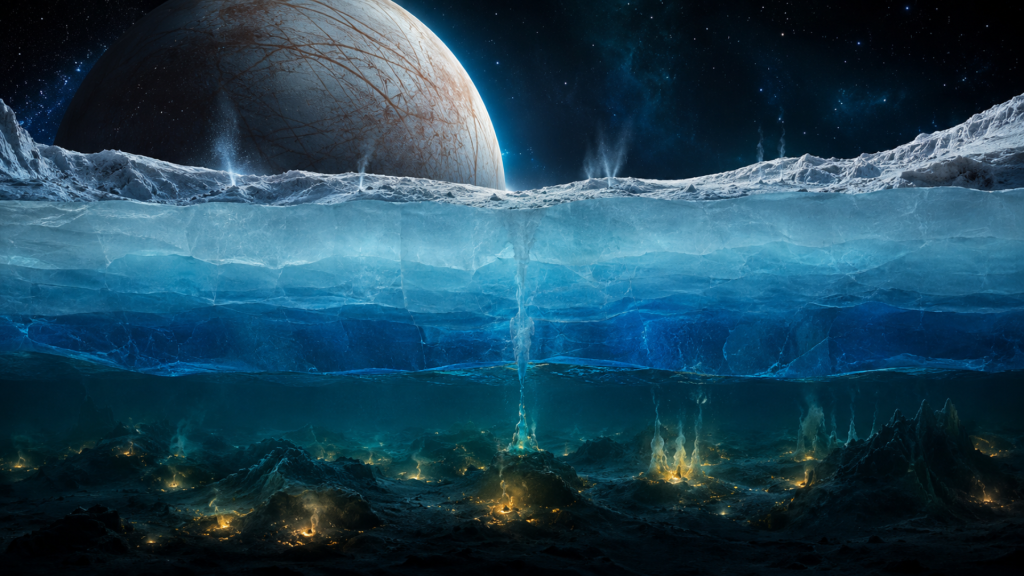
Sealed beneath a kilometre of Antarctic ice, lakes hold living organisms isolated for millions of years. What they tell us about life on Europa.
 Buy me a coffee