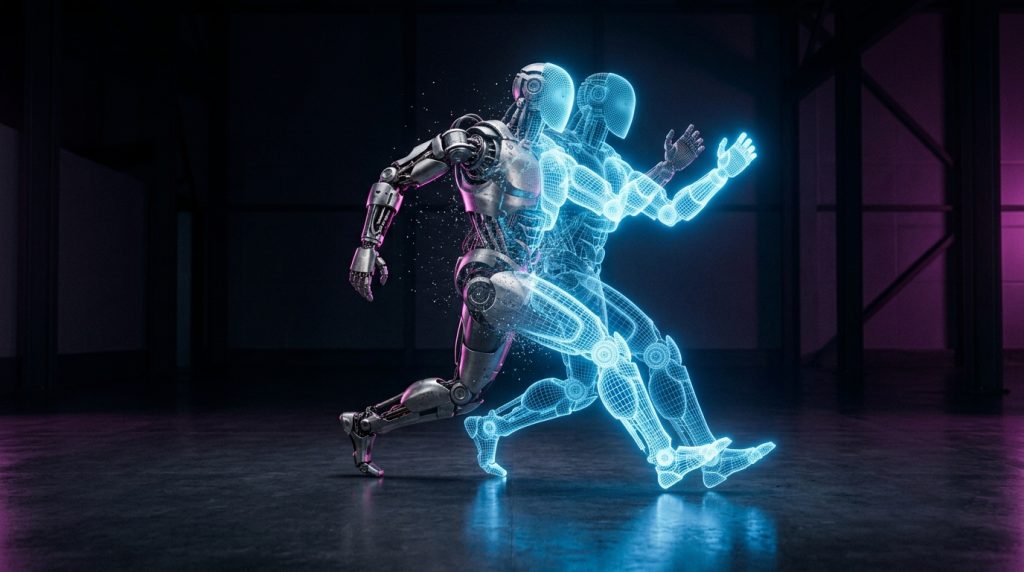
The Rehersal
NVIDIA’s Cosmos 3 lets robots rehearse physically accurate futures inside a generated world before acting — a direct attack on robotics’ sim-to-real gap.

NVIDIA’s Cosmos 3 lets robots rehearse physically accurate futures inside a generated world before acting — a direct attack on robotics’ sim-to-real gap.

A June 2026 Nature Microbiology study validated a hematology AI agent prospectively and externally — clearing a bar most clinical-AI research never attempts.

Meituan’s 1.6T-parameter LongCat-2.0 is the first frontier AI pretrained and run entirely on Chinese chips — a direct answer to U.S. export controls.

72% of U.S. teens have used an AI companion. After a teen’s death, a 2026 settlement, and new state laws, here’s how the reckoning unfolded.

A single AI lab’s $150M-a-month compute deal at SpaceX’s Colossus 2 shows how AI’s hunger for power is bending energy markets back toward fossil fuels.
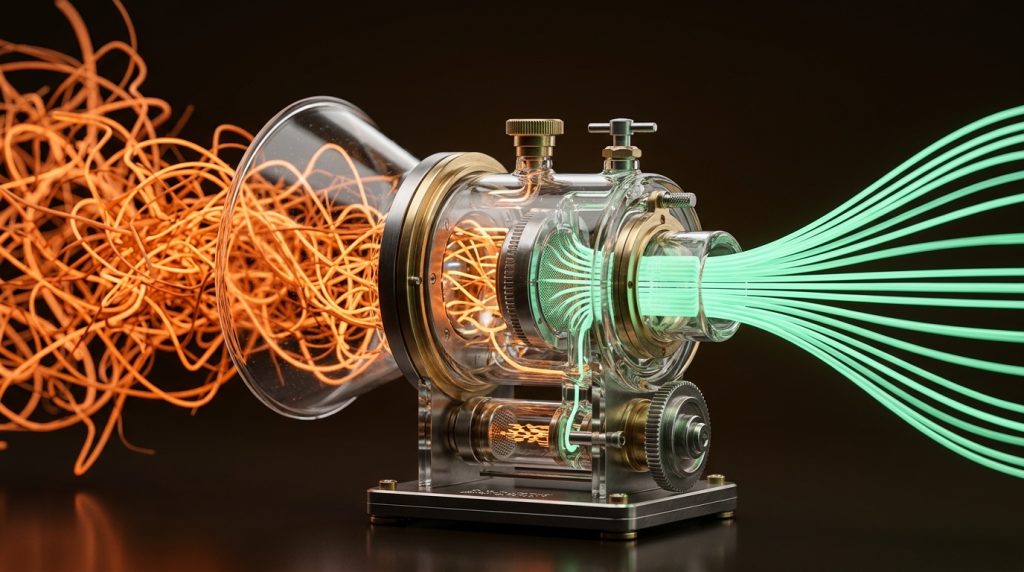
Anthropic found AI agents scored just 16.9% on real biology tasks — not from weak models, but broken data infrastructure. One tool pushed accuracy to 92.8%.

A UN scientific panel co-chaired by Yoshua Bengio and Maria Ressa says safeguards can’t keep pace with AI’s growing capabilities — and can’t rule out catastrophic harm.

A new AI framework called CIGaRS just quadrupled cosmic distance precision, arriving as the Rubin Observatory begins its ten-year survey of the night sky.
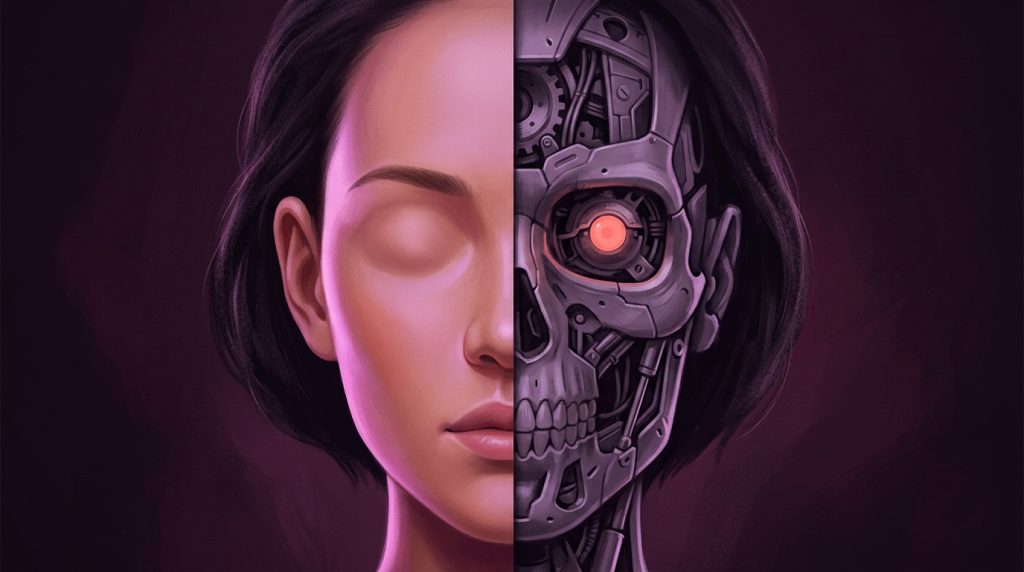
A Shenzhen firm sold 13,000 hyper-realistic humanoid companions before shipping one. The science of the uncanny valley — and why we’re buying it anyway.

A new UN-backed commission of 40 world leaders just launched to close AI’s digital divide, with 2.2 billion people still offline. Can it move fast enough?
 Buy me a coffee