The Telescope Moment
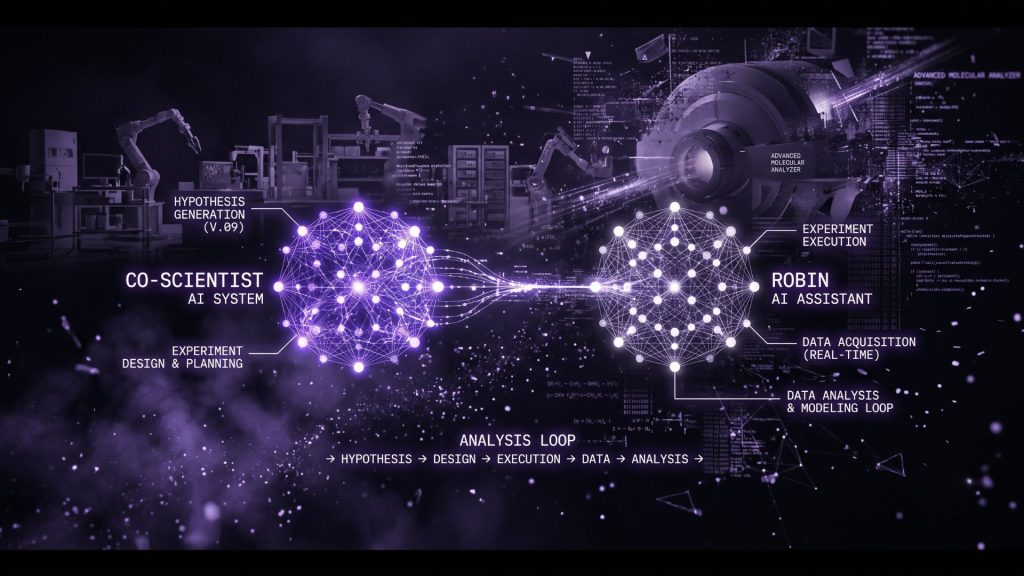
Two AI systems published in Nature can generate hypotheses, design experiments, and make real discoveries. The same papers reveal what AI still cannot do.

Two AI systems published in Nature can generate hypotheses, design experiments, and make real discoveries. The same papers reveal what AI still cannot do.
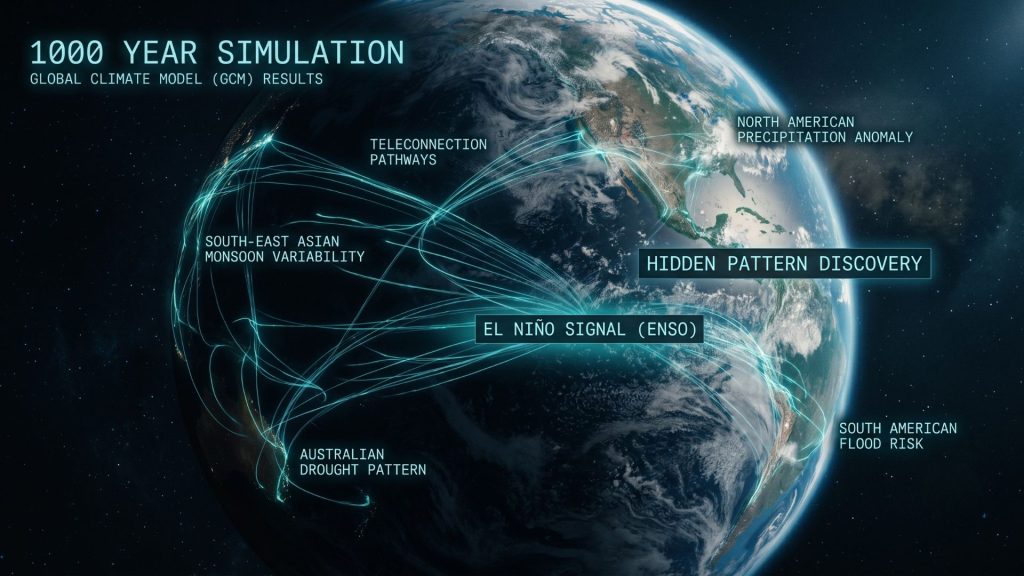
AI climate models are no longer just forecasting — they’re finding hidden patterns in Earth’s system that physics-based models missed entirely.
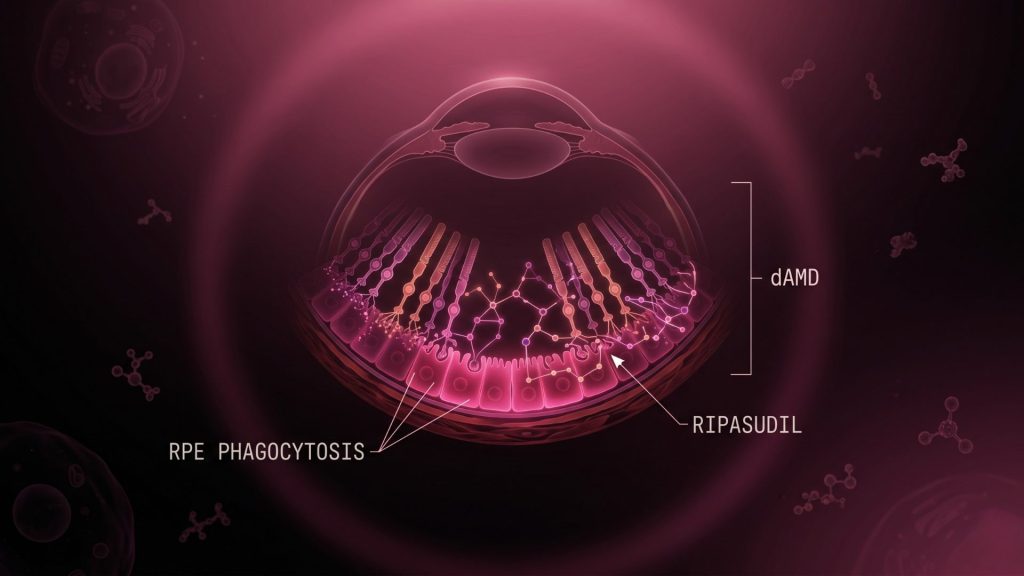
FutureHouse’s Robin AI autonomously identified ripasudil as a novel treatment for dry macular degeneration — the leading cause of blindness — in 2.5 months.
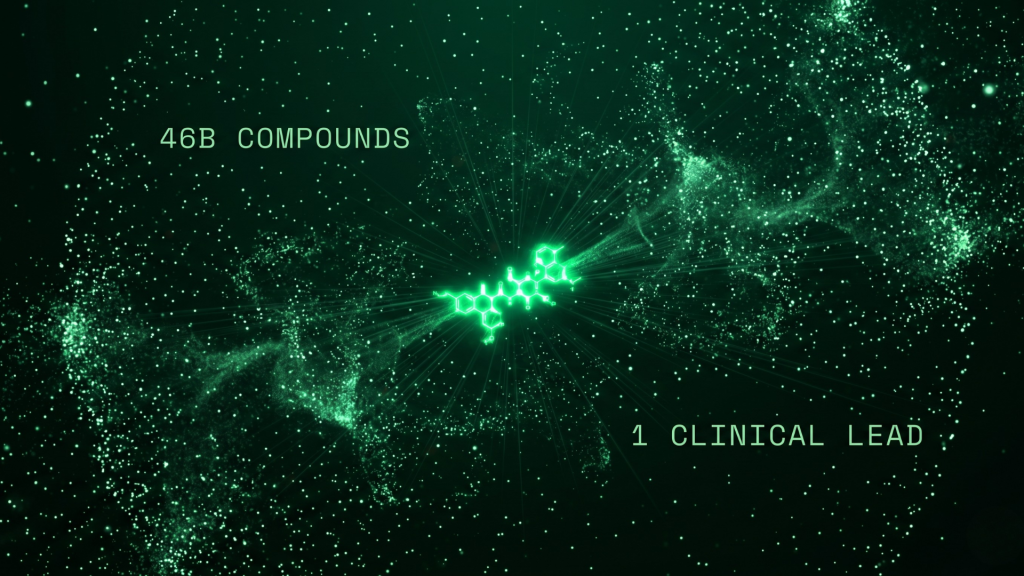
McMaster’s SyntheMol-RL explored 46 billion compounds and designed synthecin, a novel antibiotic effective against drug-resistant staph.
Rózsa Péter, Ida Rhodes, Mary Tsingou, Karen Spärck Jones — four women whose mathematics powers every search and simulation. None of them are famous. All of them should be.
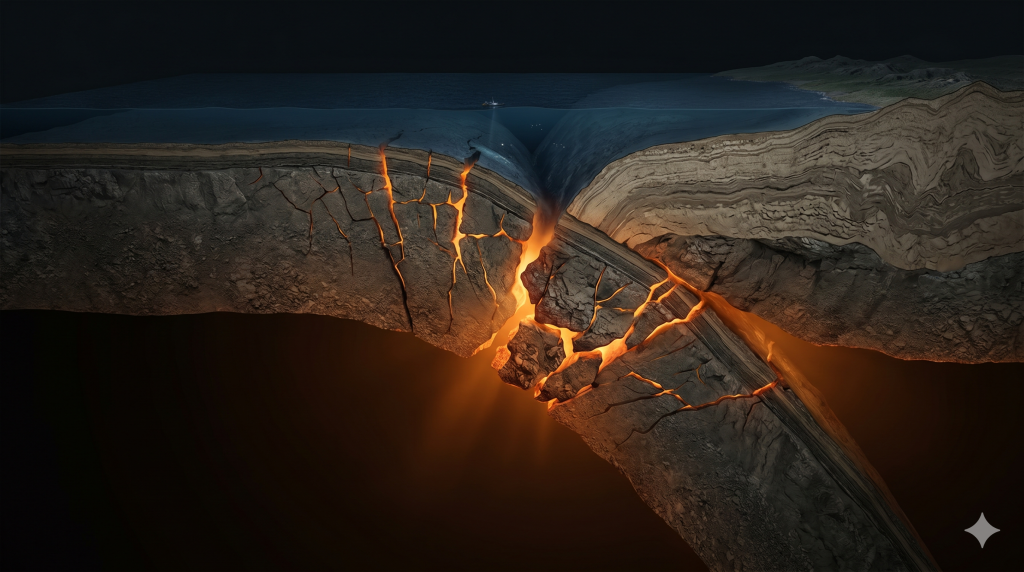
For the first time ever, scientists captured a tectonic plate tearing itself apart. Inside the dying Juan de Fuca plate beneath the Pacific Northwest.
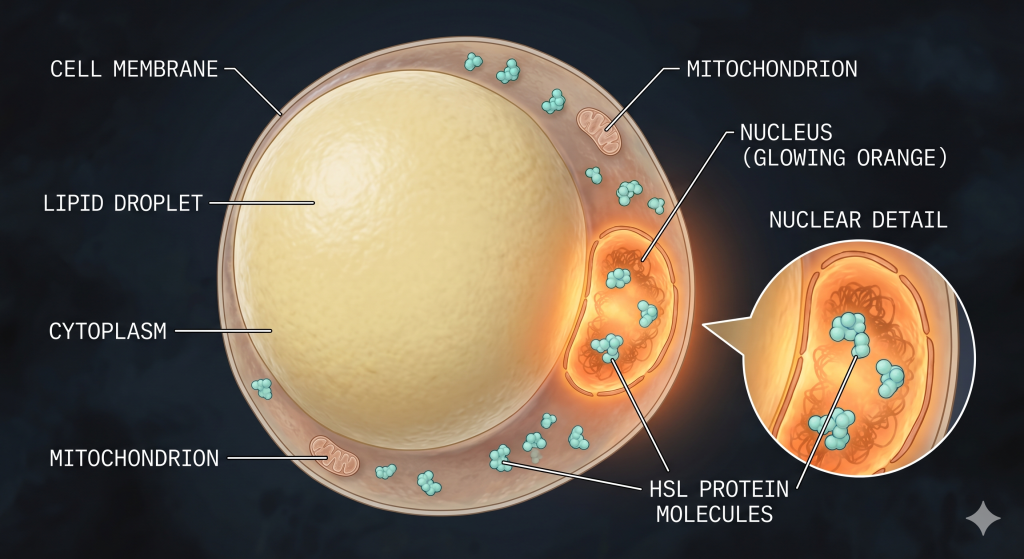
Hormone-sensitive lipase was supposed to release stored fat. Researchers found it inside fat cell nuclei doing something else entirely — and its absence causes the opposite of obesity.
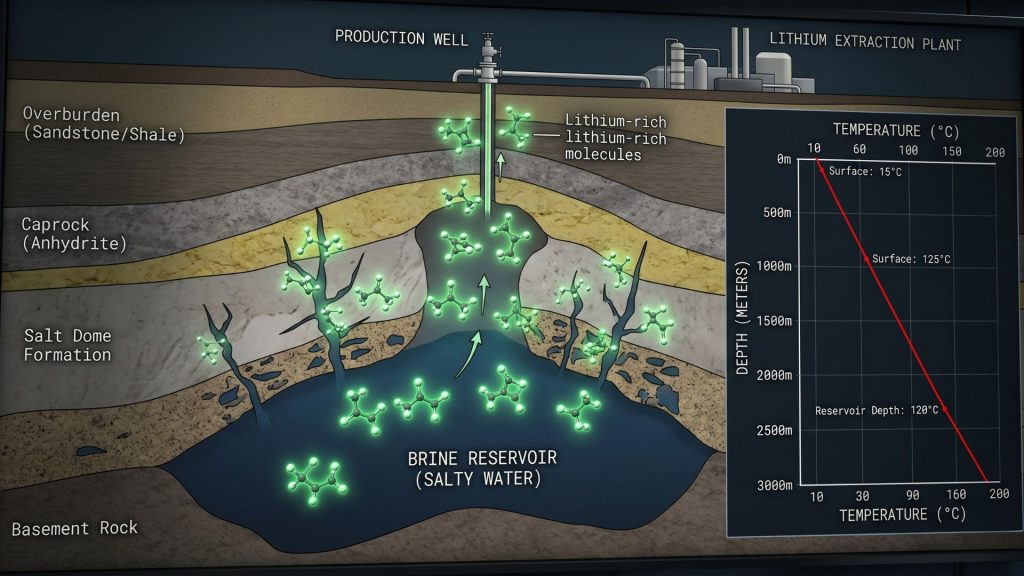
Columbia Engineering’s S3E process pulls lithium straight from brine without evaporation ponds — using a solvent that switches state at 158°F. Here’s how it works.
In 1946, Paul Erdős asked how many point pairs can sit exactly one unit apart. For 80 years, mathematicians had the wrong answer. Then an AI found the right one.
Lisa Pedrosa ← All Articles · AI & Scientific Discovery About Articles Skip to main content Planetary transit diagram A
 Buy me a coffee